
Flowers
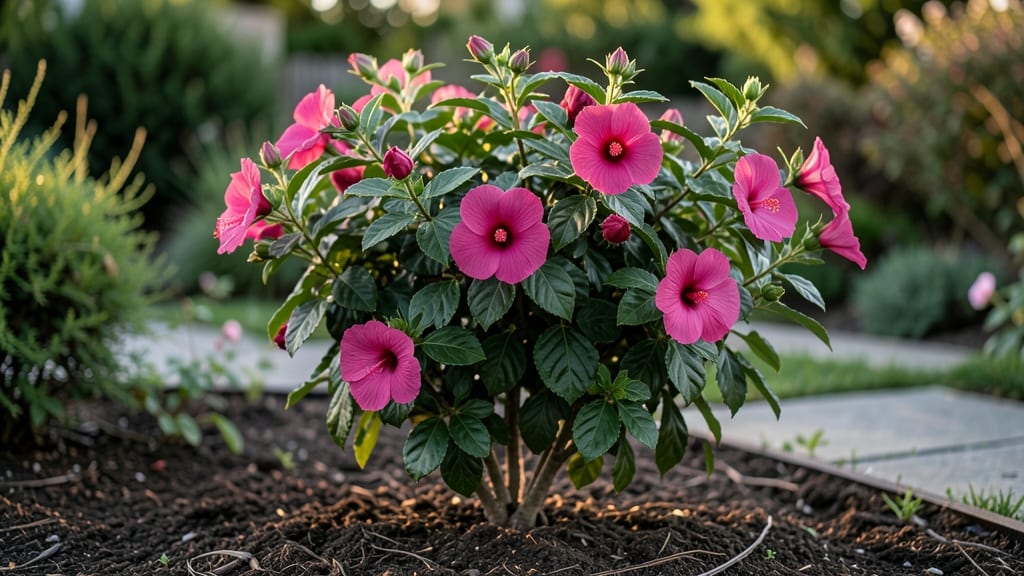
A bush with heart-shaped flowers instantly turns any garden into a romantic sanctuary. 💚 These delicate blooms—like those from bleeding hearts or hellebores—soften borders, frame pathways, and create lush privacy screens that feel like a secret garden.
The best varieties thrive in partial shade, where their velvety foliage and delicate blooms shine brightest. Pair them with ferns, hostas, or astilbes for a layered woodland effect, or mix with roses and peonies for a cottage garden charm.
Their seasonal interest keeps your garden looking magical from spring through fall. You’ll love how they soften hard edges and add texture. Plant them in clusters of three or five for a natural, full look—no formal rows needed.
The scent of their blooms and the way they sway in the breeze make every walk through your garden feel like a quiet escape. Works beautifully in shaded borders, under trees, or as a living privacy screen along fences. Here’s how to make them the star of your landscape!
📚 In This Guide
- What you need
- Instructions
- Tips and common mistakes
- Wrapping up and next steps
What you need
- ● Heart-shaped flowering plants: 3–5 Cuphea plants (per 3–4 ft of space) – Choose Cuphea hyssopifolia (Mexican Heather) or Cuphea ignea (Cigar Plant) for vibrant colors.
- ● OR 2–3 Dicentra spectabilis (Bleeding Heart) plants (per 2 ft of space) – Best for cooler climates.
- ● Soil: 1–2 bags (2–3 cu. ft each) of well-draining potting mix or native soil amended with compost (50/50 ratio).
- ● Fertilizer: 10–10–10 balanced fertilizer (1 lb) or organic options like fish emulsion or compost tea.
- ○ Slow-release granules (optional but recommended for long-term growth).
- ● Mulch: 1–2 bags of organic mulch (e.g., shredded bark or straw) to retain moisture.
- ● Watering can or hose with a gentle spray nozzle.
- ● Gloves and pruning shears (for maintenance).
- ● Garden trowel or shovel (for digging).
- ● Measuring tape or ruler (to space plants 12–18 inches apart for Cuphea, 18–24 inches for Dicentra).
- ● Sunlight assessment: Confirm your space gets full sun (6+ hrs/day) for Cuphea or partial shade (4–6 hrs) for Dicentra.
- ○ Drip irrigation system (optional but ideal) for consistent moisture.
- ○ Stakes or trellis (optional) if growing Dicentra in a windy area.
Step-by-step guide to planting a romantic heart-shaped flower bush
Create a lush, romantic privacy screen with these easy steps—perfect for adding charm to any yard.
🌱 Step 1: Choose the Right Location and Soil
Heart-shaped flower bushes thrive in partial shade to full sun, with 6+ hours of sunlight daily for best blooms. I always pick a spot with morning sun and afternoon shade to protect delicate petals from harsh afternoon rays. Test your soil—these plants prefer well-draining, slightly acidic soil with a pH between 6.0 and 7.0. If your soil is heavy clay, mix in 2-3 inches of compost to improve drainage.
Dig a hole twice as wide as the root ball but only as deep as the container’s base. Loosen the sides of the hole with a shovel to encourage root spread. Here’s the thing—if your soil is rocky, amend it with organic matter like leaf mold or peat moss to help roots establish faster. Water the hole lightly before planting to settle the soil.
🪴 Step 2: Plant the Bush Correctly for Strong Growth
Gently remove the plant from its container and loosen any circling roots with your fingers. Place it in the hole so the top of the root ball sits level with the surrounding soil—burying too deep can suffocate the plant, while planting too high leaves roots exposed. Fill the hole with soil, tamping lightly every 2 inches to eliminate air pockets. This ensures roots make immediate contact with moisture.
Water deeply right after planting to help soil settle around the roots. You’ll know it’s done right when water pools slightly at the surface but drains within 10-15 minutes. Mulch around the base with 2-3 inches of shredded bark or wood chips, keeping mulch 3 inches away from the stem to prevent rot. This mulch layer locks in moisture and keeps roots cool in summer.
☀️ Step 3: Water and Fertilize for Year-Round Blooms
Water deeply once a week during the first growing season, aiming for 1-1.5 inches of water per week. Check soil moisture by sticking your finger 2 inches deep—if it feels dry, water again. Overwatering is the biggest mistake here; soggy soil leads to root rot. Once established, these bushes are drought-tolerant, but consistent moisture encourages bigger, showier blooms.
Feed your bush with a balanced, slow-release fertilizer (10-10-10 ratio) in early spring and again in mid-summer. I like to use organic options like fish emulsion for a gentle boost. Avoid high-nitrogen fertilizers—they promote leafy growth at the expense of flowers. Prune spent blooms regularly to encourage more flowers and keep the bush compact.
✂️ Step 4: Prune for Shape and Encourage More Blooms
Prune your bush right after flowering to shape it and remove dead or crossing branches. Use clean, sharp pruners to make cuts just above a leaf node or bud. This encourages bushier growth and prevents leggy stems. For a privacy screen, aim for a rounded, dense shape—trim back any branches that grow too far outward. Real talk: don’t skip pruning, or your bush will look wild and unkempt.
In late winter or early spring, do a light pruning to remove any dead wood or weak growth. This keeps the plant healthy and sets it up for a strong blooming season. If your bush gets too large, you can trim it back by one-third in early spring—it’ll bounce back with vigorous new growth. Just avoid heavy pruning in fall, as it can stress the plant before winter.
🌿 Step 5: Protect and Maintain for Long-Term Beauty
These bushes are generally pest- and disease-resistant, but watch for aphids or spider mites in dry conditions. Spray with neem oil if you spot any pests—it’s organic and effective. In winter, apply a 2-3 inch layer of mulch to protect roots from freezing temperatures. If you live in a USDA Zone 6 or colder, consider wrapping the base of young plants with burlap for extra insulation.
To keep your privacy screen lush and full, plant 4 bushes spaced 3-4 feet apart in a row. This creates a dense, romantic barrier that blooms year-round with minimal effort. With proper care, your heart-shaped flower bush will thrive for decades, providing beauty and privacy without the fuss.
Tips & tricks for planting heart-shaped flower bushes
Here's what nobody tells you about creating that dreamy privacy screen—details that make all the difference.
Soil Prep Secret: Before amending rocky soil with organic matter, I like to add a handful of mycorrhizal fungi to the planting hole. This beneficial soil fungus helps roots absorb nutrients more efficiently, which means your heart-shaped bush will establish faster and bloom more abundantly. Think of it as giving your plant a natural growth boost right from the start.
Planting Depth Matters: When placing your bush in the hole, use a small stick or pencil as a reference marker for the root ball's original level. This helps you position it perfectly so the top sits level with surrounding soil. I've seen so many people bury the stem too deep, which can cause rot—don't make that mistake! The key is getting that depth just right for healthy growth.
Watering Wisdom: After planting, I recommend watering in two stages. First, give it a deep watering right after planting to settle the soil, then wait 10-15 minutes before adding another inch of water. This two-step approach helps prevent soil compaction around the roots while ensuring proper hydration. You'll know you've done it right when water pools slightly but drains within that 10-15 minute window.
Mulching Magic: That 2-3 inch layer of mulch isn't just for looks—it's a game-changer for moisture retention and temperature regulation. I like to use shredded cedar bark because it naturally repels pests while keeping roots cool in summer and insulated in winter. Just remember to keep that mulch 3 inches away from the stem to prevent rot. It's one of those small details that makes a big difference in long-term plant health.
Pro Tips for Bush With Heart Shaped Flowers
- Here's what nobody tells you about creating that dreamy privacy screen—details that make all the difference.
- Soil Prep Secret: Before amending rocky soil with organic matter, I like to add a handful of mycorrhizal fungi to the planting hole.
- Planting Depth Matters: When placing your bush in the hole, use a small stick or pencil as a reference marker for the root ball's original level.
Frequently asked questions
Got questions about your dream heart-shaped flowering bush? We’ve got answers!
Whether you're curious about care, timing, or styling, here’s what you need to know before planting.
What’s the best bush with heart-shaped flowers for full sun?
For full sun, Lagerstroemia indica (Crape Myrtle) or Hibiscus syriacus (Rose of Sharon) are top picks. Both thrive in bright light and produce stunning heart-shaped blooms. If your area has hot summers, opt for Crape Myrtle—it’s drought-tolerant and heat-loving!
When is the best time to plant a heart-shaped flowering bush?
Plant in early spring or fall for the best results. This gives roots time to establish before extreme heat or cold. Avoid planting in summer—young bushes struggle with transplant shock. Pro tip: Water deeply after planting and mulch to retain moisture!
Can I grow a heart-shaped flowering bush in a pot?
Yes! Smaller varieties like Hibiscus syriacus ‘Diana’ or Weigela florida work well in containers. Use a pot at least 18 inches wide with drainage holes and well-draining soil. Repot every 2–3 years and fertilize lightly in spring for best growth.
What pests or diseases should I watch for?
Common issues include aphids, spider mites, or powdery mildew. Keep your bush healthy with proper spacing (3–6 feet apart) for airflow. Spray with neem oil for pests or fungicide if mildew appears. Prevention tip: Prune regularly to remove dead wood and improve circulation!
How can I prune for more heart-shaped flowers?
Prune in late winter or early spring before new growth starts. Cut back 1/3 of the oldest stems to encourage fresh blooms. Avoid heavy pruning in fall—it can reduce next year’s flowers. Bonus: Shape your bush into a rounded form for a lush, romantic look!
Wrapping up and next steps
Transforming your outdoor space with a bush adorned with heart-shaped flowers isn’t just about beauty—it’s about creating a lasting, romantic retreat that thrives year-round.
Whether you’re drawn to the delicate charm of Hibiscus rosa-sinensis or the hardy elegance of Camellia, these plants promise privacy, color, and a touch of whimsy for seasons to come. 💖
Ready to bring this vision to life? Start small—research your climate, gather your tools, and plant with confidence! Your perfect privacy screen is just a few steps away.