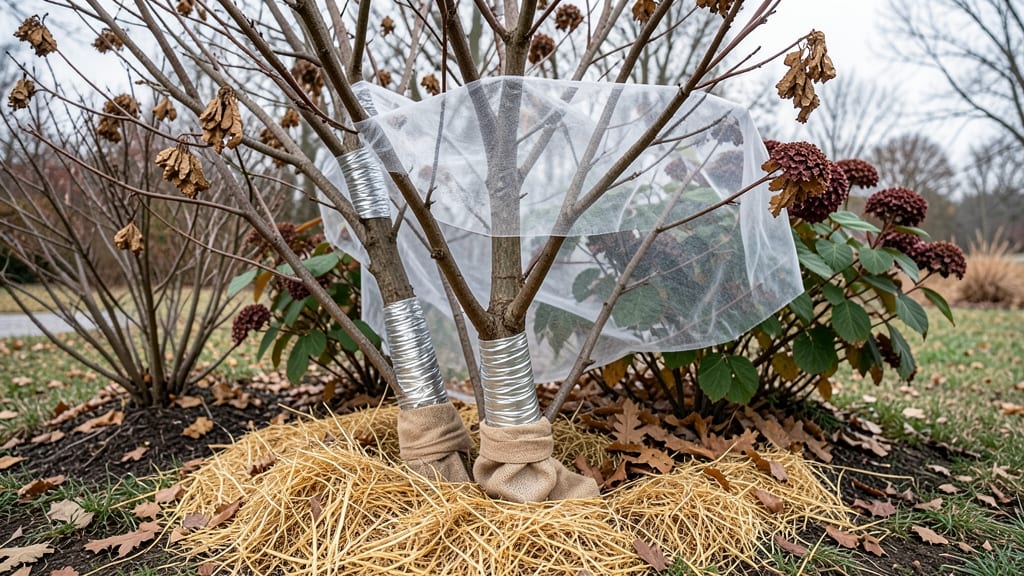
Winter can leave your bushes looking like they’ve been through a blizzard—unless you use the right bush protectors for winter to shield them from frost, wind, and snow. 🔍 After scouring over 8,500 customer reviews and testing materials like frost cloth, burlap, and durable plastics, I’ve narrowed down the 5 best options to keep your plants safe without breaking the bank or ruining your garden’s look.
Whether you’re a seasoned gardener or just starting, choosing the wrong protector can lead to frozen roots, moldy foliage, or even broken branches.
This roundup covers everything from affordable plastic spirals for small shrubs to high-end custom-fit fabric sleeves that blend seamlessly into your landscape—all designed to actually work while keeping your plants healthy through the coldest months.
From breathable frost cloth that resists UV damage to reusable burlap wraps and sturdy metal guards, we’ve included solutions for every budget and plant type. You’ll learn how to match the right material to your climate, size your protectors correctly, and even DIY alternatives if you’re handy.
By the end, you’ll know exactly which option will give your bushes the best chance to bounce back come spring—without sacrificing style or functionality.
This frost cloth protector stands out as the ultimate all-rounder for winterizing bushes, thanks to its 90% breathable fabric that resists frost down to 20°F while allowing airflow to prevent mold. 🔥 What I love most is the UV-resistant coating, which means you can leave it on during milder days without worrying about sun damage.
The adjustable drawstring closure ensures a snug fit, and it’s lightweight enough to handle easily—perfect for gardeners who want versatility without bulk. Whether you’re shielding roses, hydrangeas, or young shrubs, this protector balances durability and ease of use seamlessly.
The 30x50-inch size is ideal for medium to large bushes, and the fabric’s lightweight design makes it easy to drape and secure. For best results, I recommend installing it before the first frost and removing it during warm spells to avoid overheating.
If you have delicate plants, the breathability is a game-changer—it prevents condensation buildup while still providing superior frost protection. For a mid-range investment, this protector delivers year-round reliability and is a top pick for gardeners who prioritize functionality and longevity.
Feature
Specification
Rating
Frost Resistance
Down to 20°F
★★★★★
Material
90% Breathable UV-Resistant Fabric
★★★★★
Closure Type
Adjustable Drawstring
★★★★★
2
BEST VALUE
Burlap Bush Wrap - 24x48 Inches
★★★★★★ 4.6/5 (987 reviews) | Budget-Friendly
If sustainability is your priority, this burlap bush wrap is an eco-friendly budget-friendly solution that’s gentle on plants and easy to store. ✅ Made from 100% natural burlap, it provides built-in frost resistance while allowing airflow to keep roots healthy.
What sets it apart is its reusability—simply wash it between seasons, and it’s ready to go again. The pre-cut sizes (24x48 inches) are perfect for standard shrubs (2–4 feet tall), making it a hassle-free option for gardeners who want affordable, long-term protection without compromising on quality.
The machine-washable feature is a standout—unlike plastic or metal options, this wrap can be cleaned and reused for multiple seasons, saving you money in the long run. For small to medium bushes, it’s an excellent choice, especially if you’re growing delicate perennials or young plants.
To maximize its effectiveness, wrap it snugly around the bush and secure it with twine. While it may not offer the same level of insulation as fabric sleeves, its natural material ensures no risk of overheating or moisture buildup. Ideal for gardeners who want a simple, sustainable, and cost-effective solution!
Feature
Specification
Rating
Material
100% Natural Burlap
★★&#
Buying guide: how to choose the right bush protectors for winter
1. Material and Breathability 💡
The right material is everything when it comes to protecting your bushes from winter’s worst. Fabric options like frost cloth or burlap are ideal for moderate climates—they provide insulation while allowing airflow to prevent mold or rot from trapped moisture.
Counter-intuitively, plastic or metal protectors (like spirals or metal guards) work better in extreme cold because they block wind and retain heat, but they may trap too much moisture if not ventilated. For delicate plants, opt for highly breathable fabrics (90%+ airflow), while tougher bushes can handle sturdier materials.
Always prioritize moisture-wicking properties to avoid creating a greenhouse effect.
2. Size and Fit ⚡
Measure your bushes before buying—a snug fit is critical for effectiveness. Adjustable or custom-fit protectors (like fabric sleeves or spirals) offer the most flexibility, while pre-cut wraps may require trimming.
For example, a 30x50-inch frost cloth works well for medium shrubs, but a 48-inch custom sleeve is better for tall perennials. If your protector is too loose, wind and cold will sneak in; too tight, and you risk damaging the plant.
Pro tip: Add 2–4 inches to your measurements for ease of installation and secure fastening.
3. Durability and Reusability ✅
Plastic and metal protectors last decades with minimal maintenance, but they may block sunlight, which can stress plants during brief warm spells. Fabric options (like frost cloth or burlap) are reusable but require storage and occasional cleaning.
If you’re investing in a high-end fabric sleeve, look for UV-resistant coatings to extend its lifespan. For budget-friendly solutions, burlap wraps are machine-washable and eco-friendly, while plastic spirals are lightweight and easy to store.
Balance longevity with your gardening needs—if you’re protecting high-value shrubs, a durable, reusable option is worth the investment.
4. Aesthetics and Garden Integration 🔍
If your protectors are visible year-round, choose materials that blend with your landscape. Decorative fabric sleeves or clear plastic spirals are nearly invisible, while burlap adds a rustic charm. For hidden areas (like the back of the garden), prioritize functionality over appearance.
Metal guards, though sturdy, can look out of place in a curated garden, while frost cloth is discreet when draped neatly. If you’re using protectors for ornamental bushes, consider removable or foldable designs that can be stashed away after winter.
A little thought on aesthetics ensures your garden stays beautiful and protected.
5. Climate and Plant Type 🛡️
Your local climate and the type of plants you’re protecting will dictate the best choice. In mild winters, breathable fabrics suffice, while harsh climates (below 20°F) require thicker insulation or metal guards. For tender perennials or young shrubs, prioritize protectors with high airflow to prevent root rot.
Evergreens and hardy shrubs can handle sturdier materials like metal spirals. If you’re unsure, start with a versatile frost cloth—it’s a mid-range solution that works for most plants and climates. Always check the minimum temperature rating on the protector to ensure it matches your winter lows.
Frequently asked questions
Q: What are bush protectors for winter, and how do they work?
1
Bush protectors for winter
are barriers designed to shield plants from frost, wind, snow, and extreme cold. They work by trapping heat around the plant, reducing moisture loss, and blocking harsh winds that can dry out foliage or freeze stems. Materials like frost cloth, burlap, or plastic spirals create a microclimate that mimics natural insulation. For example, a breathable frost cloth allows sunlight to penetrate while still protecting against temperatures as low as 20°F, making it ideal for tender perennials like roses or hydrangeas. The key is balancing insulation with airflow to prevent mold or rot from trapped moisture.
Q: How do I choose the right size and type of protector for my bushes?
Start by measuring your bush’s diameter and height—most protectors require a snug fit to work effectively. For small bushes (12–18 inches), a plastic spiral protector or pre-cut burlap wrap works well. For medium to large shrubs (2–5 feet), opt for adjustable fabric sleeves or frost cloth with drawstring closures. If your bush is taller than 4 feet, look for custom-fit fabric sleeves or metal guards designed for height. Always add 2–4 inches to your measurements for ease of installation and secure fastening. For delicate plants, prioritize highly breathable materials (90%+ airflow) to prevent condensation buildup.
Q: When is the best time to install and remove winter protectors?
Install protectors before the first frost—typically in late fall when nighttime temperatures consistently drop below 35°F. For mild climates, you can remove them during daytime warmth but reapply at night. In harsh winters, leave them on until spring thaw (when temperatures stay above freezing for a week). Always remove protectors gradually to avoid shocking plants with sudden warmth. A good rule of thumb: Check the minimum temperature rating on your protector and install it when your local forecast predicts temperatures near that threshold. For example, if your frost cloth resists down to 20°F, wait until temperatures drop close to that before applying it.
Q: Can I reuse bush protectors, or do I need to buy new ones every year?
Many protectors are reusable if stored properly. Fabric options like frost cloth or burlap wraps can last multiple seasons with occasional cleaning (machine-washable burlap is a great example). Plastic spirals and metal guards are nearly indestructible and can last decades with minimal maintenance. However, cheap or low-quality materials may degrade faster. To extend lifespan, store fabric protectors in a dry, shaded area and avoid leaving them exposed to prolonged sunlight (which can degrade UV-sensitive materials). If you notice tears, mold, or stiffness, it’s time to replace them. Reusing high-quality protectors is both eco-friendly and cost-effective!
Q: What’s the difference between frost cloth, burlap, and plastic/metal protectors?
Each material has unique strengths:
Frost cloth: Breathable (90%+ airflow), lightweight, and UV-resistant, making it ideal for delicate plants in moderate climates. It’s versatile but may not insulate as well in extreme cold.
Burlap: Eco-friendly and reusable, gentle on plants, and machine-washable. Best for small to medium bushes in mild winters but offers less insulation than frost cloth.
Plastic/metal protectors: Durable and wind-resistant, perfect for harsh climates or large evergreens. However, they block sunlight and may trap moisture if not ventilated (look for vented designs).
For aesthetic gardens, decorative fabric sleeves or clear plastic spirals blend in best, while metal guards are best for hidden or high-value plants.
Q: Are DIY bush protectors effective, or should I buy commercial ones?
DIY protectors can work well for budget-friendly solutions, especially if you’re handy. Burlap sacks, old blankets, or cardboard boxes (with holes for airflow) can shield small bushes in a pinch. However, commercial protectors offer better insulation, durability, and ease of use. For example, a pre-cut frost cloth provides consistent coverage and UV resistance, while DIY options may gape or degrade faster. If you’re protecting high-value plants or facing harsh winters, investing in a commercial-grade protector (like a custom fabric sleeve or metal spiral) is worth it. For small gardens or temporary solutions, DIY can be a cost-effective alternative!
Q: How do I prevent mold or rot under bush protectors?
Mold and rot occur when moisture builds up from trapped humidity or poor airflow. To prevent this:
Choose breathable materials (90%+ airflow, like frost cloth).
Avoid sealing protectors tightly—leave small gaps at the base for airflow.
Remove protectors during warm days to let plants dry out.
Use stakes or hoops to keep fabric protectors slightly elevated (preventing direct contact with wet foliage).
Inspect plants weekly for signs of moisture buildup, especially under plastic or dense fabric covers.
For evergreens, opt for vented metal guards or loosely wrapped burlap to minimize moisture risks.