
How To
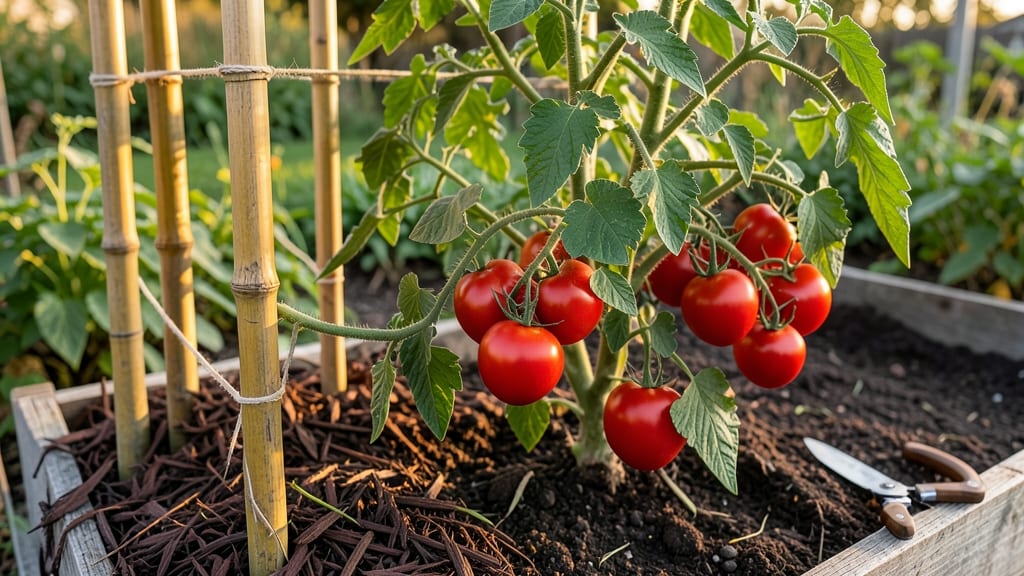
The Bush Goliath tomato reaches a height of 3 to 5 feet—taller than many expect for a "bush" variety, but still a game-changer for small gardens or containers.
If you're dreaming of juicy, vine-free tomatoes but worried about space or maintenance, this variety delivers big flavor without the sprawl. Yet its height can still catch gardeners off guard, especially when comparing it to true dwarf types.
Understanding how tall these plants get—and how to support them—is the key to maximizing your harvest while keeping your garden tidy. Below, I’ll break down everything you need to know about managing their height, from spacing to support systems.
Whether you’re working with limited space or just want to simplify tomato care, the Bush Goliath offers a perfect balance of productivity and ease. Let’s dive into how to keep them thriving at the right size.

How tall do Bush Goliath tomatoes grow? Height range & growth stages
The Bush Goliath tomato is a determinate variety designed to stay compact while producing large, beefsteak-sized fruit. Unlike sprawling indeterminate tomatoes, this variety tops out at 3–5 feet tall—making it ideal for small gardens, containers, or urban spaces.
Understanding its growth stages helps you plan spacing, support, and care for maximum yield.
At maturity, Bush Goliath tomatoes typically reach 4–5 feet, with some plants stretching to 5–6 feet under ideal conditions. This height is significantly shorter than indeterminate varieties, which can grow 6–12 feet or more and require trellising.
The compact size also means fewer pruning needs, saving you time and effort.
Key growth stages include:
- Seedling (0–6 weeks): 6–12 inches tall
- Vegetative (6–8 weeks): Rapid height gain (2–3 feet)
- Flowering (8–10 weeks): Height slows as energy shifts to fruit
- Fruiting (10–14 weeks): Final height reached (3–5 feet)
| Growth Stage | Height Range | Key Characteristics |
|---|---|---|
| Seedling | 6–12 inches | Delicate stems; needs support if windy |
| Vegetative | 2–3 feet | Rapid vertical growth; sturdy stems form |
| Flowering | 3–4 feet | Height plateaus; focus on fruit development |
| Fruiting | 4–5 feet | Mature height; heavy fruit may require extra support |
Several factors influence Bush Goliath height, including sunlight exposure, soil fertility, and pruning habits. For example, plants in full sun (6–8+ hours daily) grow taller and produce more fruit than those in partial shade.
Meanwhile, over-fertilizing with nitrogen can encourage excessive foliage growth at the expense of height control.
Pruning plays a critical role in managing height. Unlike indeterminate tomatoes, Bush Goliaths don’t need aggressive pruning, but removing suckers (side shoots) can redirect energy to fruit production rather than vertical growth.
I recommend pinching off suckers larger than 1 inch to keep the plant focused on fruit-bearing branches.
Container growers should note that root restriction can limit height. In 5-gallon pots, expect plants to max out at 3–4 feet, while 10+ gallon containers allow full height potential. Always use well-draining soil and tomato-specific fertilizer to avoid stunted growth.
Comparing Bush Goliath to other varieties highlights its advantages. While indeterminate tomatoes like 'Sungold' or 'Brandywine' can reach 10+ feet, Bush Goliath’s compact stature makes it perfect for balconies, patios, or small raised beds.
Its determinate nature also means a single harvest window (typically 4–6 weeks), unlike indeterminate types that produce fruit all season.
To encourage optimal height, I plant Bush Goliath tomatoes in late spring (after last frost) when soil temperatures reach 60°F (15°C). Using tomato cages (3–4 feet tall) or sturdy stakes from the start prevents flopping as the plant matures.
Mulching with straw or shredded leaves also helps retain moisture and supports steady growth.
If you’re growing Bush Goliath tomatoes in cool climates (USDA Zones 3–5), expect slightly slower height progression. These plants thrive in warmth (70–85°F), so consider using row covers early in the season to accelerate growth.
In hotter zones (Zones 7–10), shade cloth during peak summer can prevent heat stress, which may stunt growth.
Remember, height isn’t the only factor—fruit size and yield matter too! With proper care, a 4-foot-tall Bush Goliath can produce 10–20 pounds of beefsteak tomatoes per plant. The key is balancing support, sunlight, and soil health to let this variety shine without overpowering your garden space. 🌱
Best support solutions for Bush Goliath tomatoes: cages vs. stakes vs. trellises
The Bush Goliath tomato reaches 4–5 feet tall at maturity, making sturdy support essential to prevent sprawling and maximize fruit production. Without proper support, branches can break under heavy 1–2 lb tomatoes, leading to wasted harvests.
Let’s compare your options: cages, stakes, and trellises, including DIY vs. store-bought choices tailored to your garden space and tomato weight.
Cages are the most popular choice for bush tomatoes because they’re designed to contain the plant’s natural spread while providing 360-degree support. However, not all cages are created equal—height capacity, material durability, and ease of assembly vary widely. For Bush Goliaths, opt for cages that reach at least 5 feet tall with 16-gauge galvanized wire to withstand wind and fruit weight.
Stakes offer a minimalist solution, ideal for small-space gardens or container growing. A single 5–6 foot bamboo or metal stake tied to the main stem keeps the plant upright, but you’ll need to tie branches every 2–3 weeks as they grow. This method works best in wind-protected areas and requires more hands-on maintenance than cages or trellises.
Support Solutions for Bush Goliath Tomatoes
Cages
- ✅ Pros: Easy to install, full coverage, 5+ ft height options
- ✅ Durable for heavy fruit loads, DIY or store-bought
- ✅ No tying required, wind-resistant if galvanized
- ❌ Cons: Can crowd plants in tight gardens
- ❌ Harder to clean between seasons
- ❌ Limited airflow if overcrowded
Stakes
- ✅ Pros: Space-saving, lightweight, easy to move
- ✅ Cheaper than cages/trellises, DIY-friendly
- ✅ Better airflow for disease prevention
- ❌ Cons: Requires frequent tying (every 2–3 weeks)
- ❌ Less stable in windy conditions
- ❌ Limited support for heavy branches
Trellises
- ✅ Pros: Vertical growth saves space, customizable height
- ✅ Improves airflow, reduces disease risk
- ✅ Aesthetic appeal for decorative gardens
- ❌ Cons: More complex to install than cages
- ❌ Requires pruning to train vines
- ❌ Not ideal for heavy fruit loads without reinforcement
For container gardening, 5-foot cages or single stakes work best, while in-ground gardens benefit from trellises or taller cages to maximize space. If you’re growing multiple Bush Goliaths, consider a DIY wooden trellis (6+ feet tall) for a vertical harvest.
Always choose supports with 16-gauge wire or thicker to prevent bending under fruit weight.
My top recommendation? A 5-foot galvanized tomato cage for most gardeners—it’s the easiest balance of support and simplicity. For small spaces or containers, a 6-foot bamboo stake tied with soft plant ties works wonders.
And if you’re feeling creative, a DIY trellis made from PVC pipes or wooden slats adds a rustic touch while keeping your tomatoes off the ground.
Pro tip: Install supports at planting time to avoid damaging roots later. And if you notice branches sagging under fruit, reinforce with additional ties or a second stake—your tomatoes will thank you with a bountiful harvest! 🌱