
Shrubs
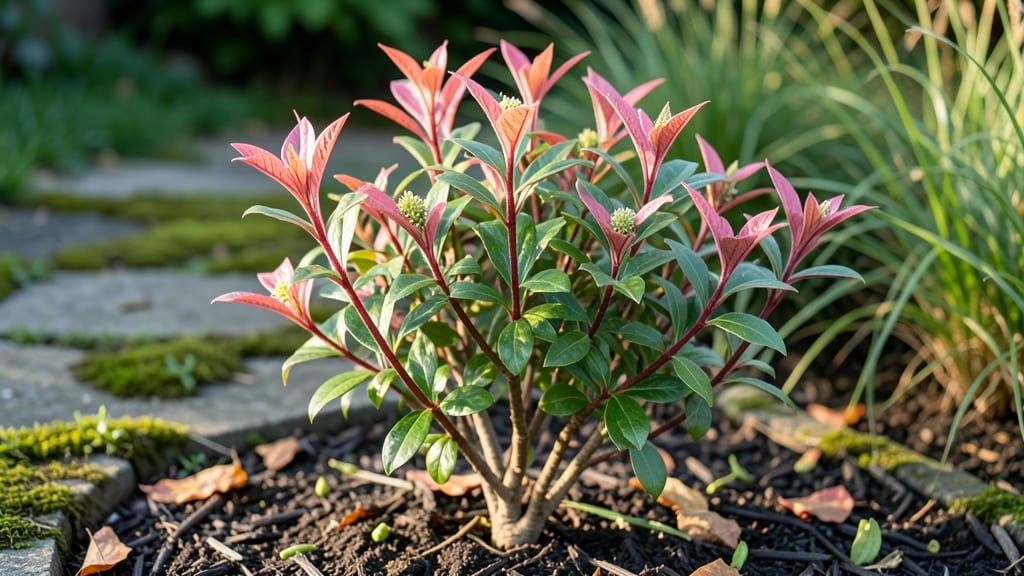
Young burning bush plants need well-draining soil and partial sunlight to establish strong roots, with consistent moisture in their first year but careful attention to avoid overwatering. Late winter pruning helps shape growth and ensures vibrant fall colors.
When you're nurturing young burning bush plants, the first year is all about building a solid foundation. 🌱 These plants develop their root systems aggressively during their early stages, so soil that drains well is non-negotiable—think sandy loam or amended garden soil.
Partial sunlight (about 4-6 hours daily) prevents stress while encouraging gradual leaf growth, which is key for their long-term resilience. The biggest mistake I see is overwatering, which can drown tender roots; instead, aim for about 1-1.5 inches of water weekly, adjusting for rainfall.
Pruning isn't just about aesthetics—it's about guiding their growth pattern. When you trim selectively in late winter, you're not just shaping the plant; you're encouraging denser branching that leads to those signature fiery fall colors.
I always recommend using clean, sharp shears to make precise cuts just above a leaf node. This practice also reduces the risk of disease by improving airflow through the plant's structure.
💡 In This Article
- Understanding Burning Bush Growth Stages for Young Plants
- Essential Care Tips for Establishing Young Burning Bush
Understanding burning bush growth stages for young plants
Young burning bush plants (Euonymus alatus) undergo three critical growth phases in their first year: root establishment, leaf maturation, and early branching. The root system develops first, spreading aggressively to anchor the plant—typically reaching depths of 12-18 inches by late summer.
This rapid root growth explains why well-draining soil is essential; compacted or waterlogged conditions can suffocate young roots, leading to stunted growth. 🌱 The plant's leaves emerge in spring as small, oval-shaped buds that gradually harden and develop a waxy coating, which helps retain moisture during dry spells.
Sunlight exposure directly impacts these stages. Burning bush thrives in partial sun (4-6 hours daily), where it receives enough light for photosynthesis without overheating. Too much direct sun can scorch tender new leaves, while insufficient light leads to weak stems and sparse foliage.
The ideal temperature range for young plants is 60-75°F—below 50°F, growth slows significantly, and prolonged cold snaps can damage emerging shoots. This is why planting in spring (after last frost) gives young plants a head start before summer heat arrives.
The first-year growth pattern sets the stage for long-term health. A well-established young plant will grow 12-18 inches in height and develop 3-5 main branches by autumn. These branches form the plant's skeletal structure, so proper spacing (about 3-4 feet apart) prevents overcrowding.
What most gardeners don't realize is that the plant's signature winged stems begin developing in the second year—this is why early care focuses on root and leaf health rather than stem shaping. 🔥
Environmental factors like soil pH also play a subtle but important role. Burning bush prefers slightly acidic to neutral soil (pH 6.0-7.0), where nutrients like nitrogen and phosphorus become more available. In alkaline soils, nutrient uptake slows, leading to yellowing leaves—a common issue in regions with limestone bedrock.
Testing soil before planting and amending with compost or peat moss can prevent this problem from the start.
One of the most fascinating aspects of young burning bush growth is how it responds to pruning cues. Even minimal trimming in the first year stimulates lateral bud growth, which translates to bushier plants later.
However, avoid heavy pruning—removing more than 20% of the plant's foliage can stress young stems and reduce flowering potential in subsequent years. The key is patience; let the plant establish its natural shape before making structural changes.
Seasonal transitions are where many gardeners go wrong. For example, autumn's cooler temperatures trigger the plant's dormancy phase, but if moisture levels drop too quickly, the roots can't absorb enough water to prepare for winter.
Mulching with 2-3 inches of organic material helps retain soil moisture and insulate roots during temperature fluctuations. This simple step can mean the difference between a plant that thrives and one that struggles in its second year. ✨