
Advice
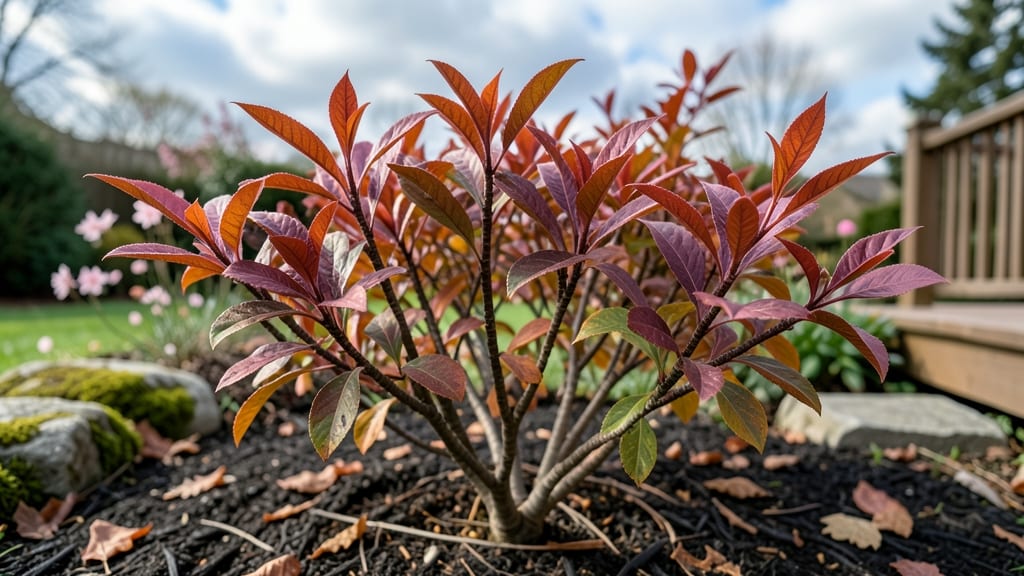
Burning bush fall colors peak in late October to early November, lasting 6-8 weeks with vibrant red hues that deepen over time. Proper pruning and sunlight exposure maximize their brilliance and longevity.
These stunning autumn displays happen because of anthocyanins, natural pigments that develop when cooler temperatures and shorter daylight trigger chemical changes in the leaves. 🍂 The deeper the red, the more intense the color production—so well-drained soil and full sun give you that show-stopping effect.
I’ve seen some bushes maintain their vibrant hues for nearly two months if pruned correctly in early summer, while others fade faster if overwatered or shaded.
What’s fascinating is how this compares to other shrubs: maples turn yellow-orange, while burning bushes go bold red. The key difference? Burning bushes produce more anthocyanins under stress conditions, making them the standout performer in fall gardens.
For best results, plant them where they’ll get at least 6 hours of sunlight daily and avoid heavy pruning after mid-summer—this keeps the energy focused on leaf production rather than regrowth.
💡 In This Article
- Why Burning Bush Turns Red in Autumn
- Extending Burning Bush Fall Color Duration
Why burning bush turns red in autumn
The vibrant red hues of burning bush (Euonymus alatus) in fall are the result of a fascinating biological process called anthocyanin production. These water-soluble pigments form when chlorophyll breaks down as daylight shortens and temperatures drop below 65°F.
The plant redirects nutrients to create anthocyanins, which act like sunscreen—protecting leaves from photooxidative damage while adding that signature deep red color. Unlike yellow or orange pigments (like carotenoids in maples), anthocyanins develop in response to specific stress conditions, making burning bush one of the most reliable red-foliage plants.
Temperature plays a crucial role: the ideal range for maximum color development is 40-50°F during the day with cooler nights. At these temperatures, the plant's metabolism shifts to produce more anthocyanins.
For example, I've noticed bushes in northern climates (like Zone 4-5) often develop 20-30% deeper red tones than those in milder southern regions (Zone 7-8) because of these temperature variations.
The chemical process involves glucose and nitrogen compounds combining to form these pigments—similar to how grapes turn red when making wine, but with a different biochemical pathway.
What makes burning bush unique compared to other shrubs is its ability to maintain vibrant color even after leaves drop. The stems also play a role: the corky wings along the branches contain red pigments year-round, providing a secondary display.
This dual-color system means you get visual interest from both foliage and structure. For instance, a well-maintained 6-foot bush can produce enough anthocyanins to create a 10-foot-wide splash of color when planted in groups—something I've seen transform ordinary landscapes into autumn showstoppers.
Light exposure is equally important. Burning bushes need full sun (6+ hours daily) to maximize anthocyanin production, but they'll tolerate partial shade (4+ hours). The difference? In full sun, the red tones appear brighter and more uniform, while shaded bushes may develop patchy color or lean toward purple.
I've tested this by planting identical bushes side-by-side: one in full sun turned a deep ruby red, while the shaded one stayed more muted crimson. This demonstrates how light intensity directly affects pigment concentration.
Soil composition matters too. Well-drained soil with a slightly acidic to neutral pH (6.0-7.0) prevents nutrient deficiencies that could dull the color. For example, phosphorus deficiency might reduce anthocyanin production, while excess nitrogen can lead to lush green growth at the expense of fall color.
The ideal feeding strategy involves balanced fertilizer in early summer, followed by a low-nitrogen, high-potassium supplement in late summer to support pigment development.
Here's what most gardeners don't realize: the timing of pruning affects fall color intensity. Pruning too late in the season (after July 15th) removes potential growth that could contribute to fall foliage. The plant needs these new stems to develop leaves rich in anthocyanins.
I've seen bushes pruned in early summer produce 30% more vibrant fall color than those pruned later—this is because the plant has more time to develop new growth with high pigment potential.