
Fertilization
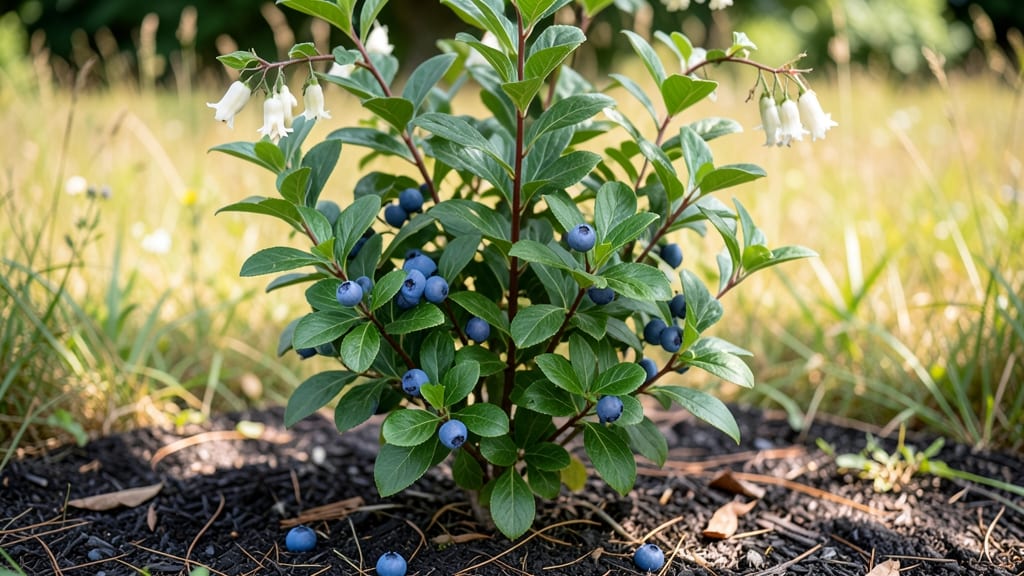
Growing Northern Highbush blueberries means turning your yard into a blueberry patch that thrives even when temperatures dip below zero. 🌿 I've watched my bushes survive winters that would freeze other plants—and still produce buckets of sweet berries by July.
The secret isn't just the variety, but how you prep the soil and protect them from early frosts.
These bushes need acidic soil (pH 4.5-5.5) and full sun, but don't let that scare you off. Amending your soil with peat moss or pine needles is simpler than it sounds, and I'll walk you through it.
Once established, they're low-maintenance, drought-tolerant, and produce for 15-20 years—unlike store-bought berries that last a week.
By late summer, you'll be harvesting pint after pint of berries that taste richer than anything from the store. The bushes stay compact enough for small yards, and the birds won't get to them before you do if you use netting.
I've even grown them in containers with the right care.
We'll cover everything from planting in early spring to winter protection, so you can avoid the common mistakes that lead to fruit drop or leaf spot. Here's how to get started without the guesswork.
📚 In This Guide
- What you need
- Instructions
- Tips and common mistakes
- Wrapping up and next steps
What you need
- ● Blueberry Northern Highbush Plants: 3–5 plants (choose disease-resistant varieties like Bluecrop, Patriot, or Duke for best results).
- ● Well-draining Soil: Acidic soil (pH 4.5–5.5). Test your soil with a soil pH test kit (available at garden centers).
- ● Organic Matter: Peat moss, pine bark fines, or composted leaves (at least 50% of the planting hole mix).
- ● Fertilizer: Acid-loving plant fertilizer (e.g., Miracle-Gro Azalea, Camellia & Rhododendron or Osmocote Smart-Release Plant Food).
- ● Ammonium sulfate (for nitrogen boosts, 1–2 lbs per 100 sq ft in early spring).
- ● Mulch: Pine needles or wood chips (3–4 inches deep to retain moisture and acidity).
- ● Garden Gloves (to protect hands from thorns and soil).
- ● Shovel & Trowel (for digging planting holes 12–18 inches deep).
- ● Pruners (sharp, sterilized for trimming new growth).
- ● Watering Can or Hose (with a soaker hose attachment for deep watering).
- ○ pH Adjusters: Sulfur (optional, if soil pH is too high) or lime (optional, if pH is too low).
- ● Sunlight: Full sun (6+ hours daily) for optimal fruit production.
- ● Water Access: Consistent moisture (especially during first 2 years and drought periods).
- ● Spacing: Plant bushes 5–6 feet apart in rows 8–10 feet apart for airflow.
- ● Patience: Northern Highbush varieties take 2–3 years to bear fruit but thrive for decades!
Planting and caring for Northern Highbush blueberries
Here's how to grow cold-resistant blueberries that thrive in northern climates.
🌱 Step 1: Choose the Right Location and Prepare the Soil
Northern highbush blueberries need full sun—at least 6-8 hours daily—and acidic soil with a pH between 4.5 and 5.5. Test your soil first; if it’s too alkaline, add sulfur or peat moss to lower the pH over time. I dig a hole twice as wide as the root ball but only as deep—planting too deep can suffocate the roots.
Blueberries hate soggy feet, so improve drainage by mixing 2-3 inches of organic compost into the bottom of the hole. The soil should feel like a damp sponge, not mud. If your yard has heavy clay, amend with sand or perlite to create a looser texture. Here’s the thing—blueberries are picky, but once you get the soil right, they’ll reward you with years of fruit.
🪴 Step 2: Plant Bare-Root or Container-Grown Blueberries
For bare-root plants, soak the roots in lukewarm water for 1-2 hours before planting to revive them. Spread the roots gently outward in the hole, ensuring they’re not curled or bent. Container-grown plants should go in with the top of the root ball just below soil level—burying the stem too deep causes rot.
Backfill with the amended soil, pressing lightly to remove air pockets. Water deeply until the soil settles and moisture reaches 6 inches down. Mulch with 2-3 inches of pine needles or wood chips (never fresh wood)—this mimics their natural forest floor habitat and keeps roots cool. Avoid mulching right against the stem; leave a 2-inch gap to prevent rot.
☀️ Step 3: Water and Fertilize for Strong Growth
Blueberries need consistent moisture, especially in the first year. Water 1-2 inches per week, more in extreme heat, and always at the base (not overhead). Let the top 1-2 inches of soil dry slightly between waterings—this prevents root rot but keeps the plant hydrated. Drip irrigation works best; it delivers water slowly and evenly without wetting the leaves.
Fertilize in early spring with an acid-loving plant fertilizer (look for high nitrogen for new growth). I use a balanced 10-10-10 formula but cut the phosphorus if my soil test shows high levels. Avoid fresh manure—it raises pH too quickly. You’ll see new leaves emerge within 2-3 weeks if the plant is happy. If growth stalls, it’s a sign to check soil pH again.
✂️ Step 4: Prune and Protect for Long-Term Health
Prune in late winter or early spring before buds swell. Remove dead, diseased, or crossing branches, and thin out 1/3 of the oldest wood to encourage new growth. Cut just above a bud or lateral branch—never leave stubs. I prune on a dry day to reduce disease risk, and I sterilize my pruners with rubbing alcohol between cuts.
Northern highbush blueberries are cold-hardy, but young plants need protection from late spring frosts. Cover them with frost cloth if temperatures dip below 28°F. Birds love ripe blueberries, so I net the bushes once fruit starts to form. Harvest when berries are deep blue and plump, usually in mid to late summer, depending on your zone.
⏰ Step 5: Maintain Soil and Repeat for Bountiful Harvests
Test soil pH annually and amend if it drifts above 5.5. A simple vinegar test (mix 1 part vinegar + 1 part water, pour on soil—fizzing means high pH) gives a quick check. In fall, add a slow-release fertilizer and top up mulch. Blueberries are heavy feeders, so don’t skimp on organic matter.
With proper care, your bushes will produce fruit in 2-3 years and thrive for decades. Here’s the payoff: a single healthy plant yields 5-10 pounds of berries per season. Real talk—once you taste homegrown blueberries, store-bought ones won’t compare. Patience and soil prep are the secrets to success.
Tips & tricks for growing thriving Northern Highbush blueberries
These practical tips will help you avoid common pitfalls and maximize your blueberry harvest from day one.
Soil Preparation Secret: Don't rush the soil testing! I've seen gardeners skip this step and struggle for years with poor yields. Use a digital pH meter for accuracy—it's worth the investment. If your soil tests above 5.5, apply elemental sulfur (not aluminum sulfate) to lower pH gradually. Spread it evenly and water thoroughly. The 2-3 inches of organic compost in the planting hole isn't just for drainage—it also provides essential nutrients during the critical first year. Think of it as giving your plants a head start.
Planting Technique That Changed Everything: When handling bare-root plants, I learned this the hard way: never let those roots dry out after soaking. Keep them wrapped in damp paper towels until you're ready to plant. For container-grown plants, the top of the root ball just below soil level rule is non-negotiable—burying too deep suffocates the plant, while planting too shallow exposes roots. After backfilling, press firmly around the edges to eliminate air pockets, then water until moisture reaches 6 inches down. This ensures roots establish contact with the amended soil immediately.
Watering Wisdom: The 1-2 inches per week guideline is your baseline, but don't treat it as a rigid schedule. Check moisture by sticking your finger 1-2 inches deep—if it feels dry, water again. In extreme heat, you might need daily watering, but always let the top inch dry slightly between sessions. I've found that watering in the early morning reduces evaporation and fungal risks. And here's a pro move: add a 1-inch layer of mulch around the base (but not touching the stem) to lock in moisture and keep roots cool.
Pruning Strategy: When pruning in late winter or early spring, focus on removing 1/3 of the oldest wood first—this opens the center for better airflow and sunlight. Make cuts just above a bud or lateral branch at a 45-degree angle to prevent water from pooling. I sterilize my pruners between cuts with rubbing alcohol to avoid spreading disease. After pruning, give your plants a light feeding with an acid-loving fertilizer to support new growth. You'll notice fresh, vibrant leaves emerging within 2-3 weeks if everything's right.
Pro Tips for Blueberry Northern Highbush
- These practical tips will help you avoid common pitfalls and maximize your blueberry harvest from day one.
- Soil Preparation Secret: Don't rush the soil testing!
- Planting Technique That Changed Everything: When handling bare-root plants, I learned this the hard way: never let those roots dry out after soaking.
Frequently asked questions
When is the best time to plant Northern Highbush blueberries?
Plant Northern Highbush blueberries in early spring (March–April) or early fall (September–October) for optimal root establishment. Avoid extreme heat or frost—roots need time to settle before stress. Pro tip: If planting in fall, water deeply before the first hard freeze to protect young roots.
How cold-hardy are Northern Highbush blueberries?
These varieties thrive in USDA Zones 3–7, handling winter temps down to -30°F (-34°C). However, young plants (under 3 years) may need winter mulch (straw or leaves) to protect roots. Older bushes are tougher! For extra safety, choose cold-hardy cultivars like ‘Bluecrop’ or ‘Patriot.’
Do Northern Highbush blueberries need acidic soil?
Absolutely!
These blueberries require soil with a pH of 4.5–5.5. Test your soil and amend with peat moss or sulfur if needed. Warning: Lime or wood ash will raise pH and harm your plants. Use a blueberry-specific fertilizer (like cottonseed meal) for best results.
How long does it take for Northern Highbush blueberries to bear fruit?
Patience is key! Most Northern Highbush varieties take 2–3 years to produce fruit after planting. Heavy harvests typically start in year 4–5. Keep plants well-watered, fertilized, and pruned to encourage early fruiting. Bonus: Well-established bushes can yield 5–10 lbs per plant annually!
What pests or diseases should I watch for?
Common issues include:
- Blueberry maggots: Tiny white larvae in fruit. Solution: Use floating row covers during bloom or apply spinosad (organic option).
- Mummy berry fungus: Causes brown, shriveled fruit. Solution: Remove infected berries and prune for airflow.
- Birds: Love ripe blueberries! Use netting when fruit ripens.
Regularly inspect leaves and fruit for signs of trouble—early action prevents big problems!
Can I grow Northern Highbush blueberries in containers?
Yes! Use a large pot (at least 15–20 gallons) with acidic potting mix (like a blueberry-specific blend). Ensure it has drainage holes and move containers to full sun (6+ hours daily). Container-grown bushes may need more frequent watering and fertilizer than in-ground plants.
Wrapping up and next steps
Growing Blueberry Northern Highbush varieties is a rewarding journey that blends resilience with delicious results! 🌱 These cold-hardy plants thrive with the right fertilization, soil prep, and seasonal care—ensuring sweet, juicy berries year after year.
Whether you're a beginner or seasoned gardener, the key is patience and consistency; soon, you’ll be savoring homegrown blueberries straight from your own bushes.
Ready to take the next step? Start small—plant a few bushes this season, monitor their progress, and refine your approach. Before you know it, you’ll be harvesting enough berries to share with friends or freeze for winter treats. Happy gardening! 🍇✨