
Pruning
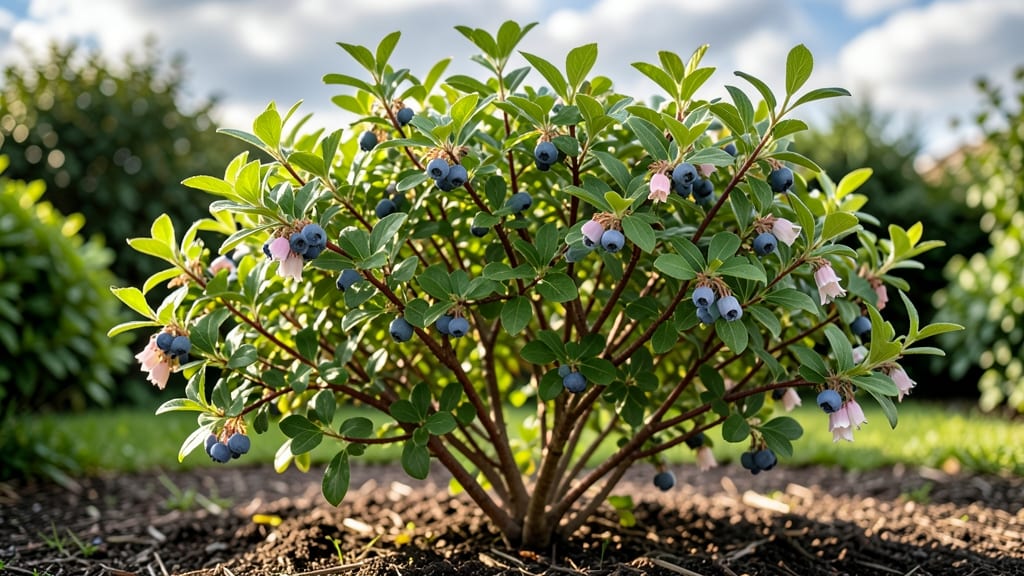
Blueberry bushes need at least 6 hours of sun daily to thrive and produce the juiciest berries 🫐 — but too much scorching heat can actually damage them.
Picture this: you’ve poured time and care into your blueberry bushes, only to watch them struggle with weak growth or sparse fruit. The culprit? Sunlight that’s either too harsh or not enough. Getting the balance right is the key to a bountiful harvest every season.
In this guide, I’ll walk you through the ideal sunlight conditions for your blueberry bushes, how to spot when they’re getting too much or too little, and simple tricks to adjust their care for the perfect light balance.
You’ll learn how to position your bushes in the garden, when to prune for better light penetration, and even how to use reflective surfaces to boost sunlight without burning the leaves. Let’s get those bushes thriving!

How much sun do blueberry bushes need for optimal growth?
Blueberry bushes thrive when they receive the right amount of sunlight—typically 6 to 8 hours of direct sun daily.
However, the exact needs vary by variety, climate, and growing conditions. Northern highbush varieties (like 'Bluecrop' or 'Patriot') tolerate slightly less sun in cooler regions, while Southern highbush varieties (like 'Misty' or 'O'Neal') often need more intense sunlight. Understanding these differences ensures your bushes produce the biggest, juiciest berries possible.
Sunlight isn’t just about quantity—it’s also about quality. Morning sun is ideal because it gently warms the plants, while afternoon sun can be harsh, especially in hot climates. Partial shade in the afternoon (like from a nearby tree or fence) can protect your bushes from heat stress, particularly in USDA Zones 7-9.
The key is balancing sun exposure to avoid leaf scorch while maximizing fruit production.
To measure sunlight accurately, use the 'sun hours' rule. Track how many hours your garden gets full sun (defined as direct sunlight with no obstructions).
Use a sunlight tracker app or a simple timer to log sunlight exposure over a week. Blueberries need at least 6 hours, but 8+ hours will yield the best harvests. If your location gets less, consider container growing near a sunny window or wall.
Here’s how sunlight needs break down by blueberry type and region:
Seasonal adjustments are crucial for blueberry bushes. In spring and summer, when sunlight is most intense, provide afternoon shade if temperatures exceed 90°F (32°C). Use shade cloth or plant nearby trees to filter light.
In fall and winter, maximize sunlight exposure to extend the growing season. Evergreen trees or walls can reflect sunlight back onto the bushes, boosting warmth and growth.
If you’re growing blueberries in containers or small gardens, prioritize locations with south-facing exposure. A reflective surface, like a white wall or gravel, can increase sunlight by up to 30%.
Rotate containers every few weeks to ensure even growth. For indoor growing, place bushes near a south-facing window and supplement with grow lights for 12-14 hours of light daily.
Over time, you’ll notice how sunlight affects your blueberry bushes. Too little sun leads to sparse flowering and small berries, while too much sun can cause leaf burn and stress. Monitor your bushes closely in their first year to adjust their placement.
With the right balance, your blueberries will reward you with bountiful harvests for years.
Pro tip: Prune bushes in late winter to open up the canopy for better light penetration. Remove any overcrowded or diseased branches to ensure sunlight reaches the center of the plant. This simple step can double your berry yield by improving air circulation and sunlight exposure.
Remember, every garden is unique. Experiment with different sunlight exposures and observe how your blueberry bushes respond. With time, you’ll find the perfect balance for your climate and variety—leading to healthier plants and bigger harvests every season. 🌱☀️🫐
Signs your blueberry bush isn’t getting the right sunlight
If your blueberry bushes look weak or produce fewer berries than expected, sunlight might be the culprit. Blueberries thrive in full sun (6+ hours daily), but too little or too much can stress your plants. Learning to spot these sunlight warning signs helps you adjust care before problems worsen.
Under-exposure shows as pale, leggy growth and fewer flowers, while over-exposure causes leaf scorch and crispy edges. Both extremes reduce fruit production. Let’s diagnose your bush’s sunlight struggles and fix them fast.
🚨 Warning: Sunlight Stress Symptoms
Under-sunlight: Small leaves, sparse blooms, stunted growth (bush stays <1 ft tall after 2 years).
Over-sunlight: Brown leaf edges, yellowing between veins, leaf drop during hot afternoons.
Fix: Move bush to morning sun + afternoon shade (e.g., east-facing spot) or prune nearby trees.
Check your bush’s leaf color first. Healthy blueberry leaves are deep green and glossy. If they’re yellowing or wilting, it’s often a sunburn or drought signal. Overhead watering can worsen leaf burn by concentrating sunlight on wet foliage.
Poor flowering is another red flag. Blueberries need sunlight to set buds, so if your bush has few or no flowers, it’s likely under-sunned. Try relocating to a sunnier spot or use a reflective surface (like white gravel) to bounce extra light onto the plant.
Stunted berry production? Even with flowers, low sunlight causes small, tart berries. Aim for 8+ hours of sun for sweet, plump harvests. If your yard lacks space, consider container growing near a south-facing wall.
For over-exposed bushes, prune to reduce leaf surface area and provide afternoon shade with lightweight fabric or a lattice screen. Mulch with straw or wood chips to retain moisture and protect roots from heat stress.
Monitor your bush’s progress after adjustments. In 2-3 weeks, you should see greener leaves, more flowers, and better fruit set. If issues persist, test your soil’s pH (4.5-5.5)—sunlight stress often masks nutrient deficiencies.