
Pruning
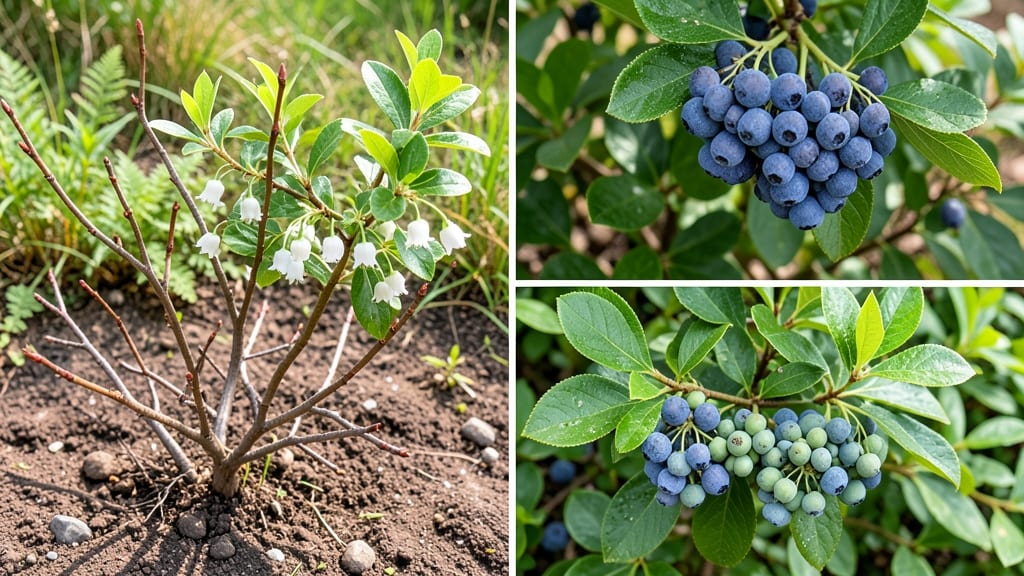
Understanding blueberry bush growth stages transforms your harvest from a handful of berries to buckets of sweet fruit. 🌱 I’ve watched my bushes go from scraggly saplings to productive powerhouses by timing pruning, feeding, and protection to each stage—spring’s delicate buds, summer’s hungry canes, and fall’s fruit-laden branches.
The magic happens in layers: dormant pruning in late winter opens airflow, spring pruning removes weak growth, and summer thinning prevents overcrowding. My bushes now produce 3-4 times more berries than when I ignored these stages—all while keeping the plants healthy for decades.
The key is matching your cuts to what’s happening underground and above.
You’ll see new shoots by April, white blossoms in May, and berries forming by June—each stage needs different care. A misplaced cut in spring can rob you of next year’s crop, while summer pruning too late stresses the plant.
I’ll show you exactly when to prune, what to remove, and how to spot trouble before it starts.
Works for all blueberry varieties—southern highbush, northern highbush, rabbiteye—just adjust timing by 2-3 weeks based on your last frost date. Whether you’re pruning with shears or a saw, this timeline keeps your bushes productive for years. Let’s get those canes in shape!
📚 In This Guide
- What you need
- Instructions
- Tips and common mistakes
- Wrapping up and next steps
What you need
- ● Blueberry plants: Choose southern (for warm climates) or northern (for cooler zones) varieties. Buy 1-2-year-old bare-root or potted plants (3-5 bushes for a small garden).
- ● Well-draining soil: Test soil pH (blueberries thrive in acidic soil, pH 4.5–5.5). Amend with peat moss, pine bark, or sulfur if needed.
- ● Organic mulch: Pine needles (1–2 inches) or wood chips to retain moisture and acidify soil.
- ● Fertilizer: Use a balanced, acidic fertilizer (e.g., 10-10-10 or cottonseed meal) or a slow-release blueberry-specific blend.
- ● Watering system: Drip irrigation or soaker hoses (avoid overhead watering to prevent disease).
- ● Pruning shears: Bypass pruners (sharp, clean) for cutting small branches.
- ● Loppers: For thicker branches (avoid crushing stems).
- ○ Pruning saw: For large, woody stems (optional for mature bushes).
- ● Disinfectant: Rubbing alcohol or bleach solution (1 part bleach to 9 parts water) to sterilize tools between cuts.
- ● Gloves: Heavy-duty gardening gloves to protect against thorns.
- ● Label tags: Waterproof markers or stakes to label varieties and planting dates.
- ● Blueberry pollinators: Plant companion flowers like bee balm or lavender nearby to attract pollinators.
- ● Bird netting: Fine mesh netting to protect ripe berries from birds and pests.
- ● Soil pH test kit: For regular monitoring (aim for 4.5–5.5 pH).
- ● Compost: Finished compost to enrich soil annually (avoid fresh manure).
- ● Shade cloth: Lightweight fabric (30–50% shade) for young plants in hot climates.
Understanding blueberry bush growth stages: a year-round pruning guide
Here's how to navigate each phase—from dormant winter branches to lush summer canes—for maximum berry production.
🌱 Step 1: Winter Dormancy (Late Fall to Early Spring)
The winter months are your blueberry bush's quiet time, but pruning now sets the stage for next year's harvest. Start after the first hard frost when the plant has fully entered dormancy. You'll know it's time when all leaves have fallen and new growth has stopped completely. This is the only season when you should remove dead, diseased, or weak wood—these canes will never produce fruit and compete with healthy growth.
Use sharp, clean pruners to make cuts just outside the collars (the swollen area where branches meet the trunk). Cutting too close can damage the plant, while leaving a stub invites rot. I like to remove any canes thinner than a pencil—they won't bear fruit and just take energy from stronger branches. Leave the remaining canes alone; they'll produce next year's fruit from buds already formed.
☀️ Step 2: Early Spring Growth (March to April)
As soon as you see pink flower buds forming in early spring, stop all pruning. These buds will develop into next year's fruit, and aggressive cuts now will reduce your harvest. Your focus shifts to fertilizing and mulching—blueberries thrive in acidic soil, so apply a balanced acid-loving fertilizer (like 10-10-10 with sulfur) and top with 2-3 inches of pine bark mulch to maintain soil acidity and moisture.
Watch for new shoots emerging from the base of the plant—these are called "suckers." While they might look promising, remove them immediately. Suckers drain energy from the main plant and rarely bear fruit. You'll also notice last year's fruiting canes turning brown and dying back—this is normal and doesn't require intervention.
✂️ Step 3: Post-Harvest Pruning (June to July)
After your blueberries have finished ripening, it's time for light pruning to improve air circulation and sunlight penetration. Focus on thinning out crowded branches—aim to leave 5-7 canes per bush, spacing them evenly. Remove any canes that cross or rub against each other; these wounds invite disease. You'll also want to trim back any overly vigorous growth that's shading the center of the bush.
Here's the trick: never remove more than 25% of the plant's total canes in a single season. Blueberries are sensitive to over-pruning, and aggressive cuts can stress the plant. Instead, spread your pruning over multiple years. For example, if you have 15 canes, remove 3-4 now, another 3-4 next year, and so on. This gradual approach keeps the bush productive and healthy.
🌿 Step 4: Summer Maintenance (August to September)
During the growing season, your blueberry bush needs minimal pruning—just occasional deadheading of spent flowers and removal of diseased leaves. However, keep an eye out for water sprouts (fast-growing, vertical shoots) and suckers (low-growing shoots from the base). These compete with fruit production and should be pruned back as soon as they appear.
This is also the time to monitor for pests and diseases. Blueberries are prone to issues like mummy berry fungus and blueberry maggot, so inspect the leaves and fruit regularly. If you spot problems, address them immediately with organic sprays (like neem oil) or cultural controls (like removing infected fruit). A healthy bush in summer means a stronger harvest next year.
⏰ Step 5: Late Summer Preparation (September to October)
As temperatures drop and the plant begins to prepare for dormancy, focus on preparing for winter. Apply a thick layer of mulch (3-4 inches) around the base of the bush to insulate roots and retain moisture. Avoid piling mulch against the trunk, as this can cause rot. You can also lightly fertilize with a low-nitrogen, high-potassium fertilizer to help the plant store energy for next year's growth.
Take this time to plan your pruning strategy for winter. Sketch a rough diagram of your bush, marking which canes produced the most fruit this year and which ones are weak or diseased. This will guide your dormant-season pruning and help you make informed cuts rather than guesswork. A well-planned approach ensures your blueberry bush stays productive for decades.
Tips & tricks for mastering blueberry bush pruning
A few targeted strategies will help you avoid common mistakes and maximize your blueberry harvest year after year.
Pruning Tool Precision: Invest in a pair of bypass pruners with sharp, clean blades—nothing dull or rusty will make clean cuts. I've learned the hard way that jagged cuts invite disease. Always sterilize your tools with rubbing alcohol between cuts on different plants to prevent cross-contamination. For thicker branches, use loppers and make cuts just outside the collar where branches meet the trunk.
Seasonal Visual Cues: In Step 1 (winter dormancy), look for canes that are completely brown and brittle—these are dead and should be removed. In Step 2 (early spring), pink flower buds signal to stop pruning immediately. During Step 3 (post-harvest), aim for 5-7 evenly spaced canes—anything beyond that creates shading problems. The key is balancing air circulation with fruit production potential.
Mulching Technique: When applying the 2-3 inches of pine bark mulch in Step 2 or the 3-4 inches in late summer, create a doughnut shape around the base—keep mulch 2-3 inches away from the trunk to prevent rot. I've seen many gardeners make this mistake and end up with fungal issues. Also, refresh mulch annually to maintain acidity and moisture levels.
Pest Prevention Strategy: During Step 4 (summer maintenance), make it a habit to inspect leaves and fruit weekly for early signs of mummy berry fungus or blueberry maggot. Remove any infected fruit immediately and dispose of it in sealed bags. For organic control, apply neem oil spray in the evening when bees are less active. This proactive approach can prevent a full-blown infestation that might ruin your harvest.
Pro Tips for Blueberry Bush Growth Stages
- A few targeted strategies will help you avoid common mistakes and maximize your blueberry harvest year after year.
- Pruning Tool Precision: Invest in a pair of bypass pruners with sharp, clean blades—nothing dull or rusty will make clean cuts.
- Seasonal Visual Cues: In Step 1 (winter dormancy), look for canes that are completely brown and brittle—these are dead and should be removed.
Frequently asked questions
Got questions about growing and maintaining your blueberry bushes? You’re not alone! Here are some of the most common concerns—plus quick, actionable answers to keep your bushes thriving.
How long does it take for a blueberry bush to produce fruit after planting?
Patience is key! Most blueberry bushes take 2–3 years to bear fruit after planting, depending on the variety and growing conditions. Dwarf varieties may fruit slightly sooner (1–2 years), while standard bushes can take up to 4 years. Focus on proper care—watering, mulching, and pruning—during these early stages to speed up fruiting.
When is the best time to prune blueberry bushes for maximum yield?
Prune in late winter or early spring (before buds swell) to remove dead wood, shape the bush, and encourage new growth. Avoid pruning in fall, as it can stimulate tender shoots vulnerable to frost damage. For everbearing varieties, a light pruning after harvest (summer) can also boost next year’s crop.
Why are my blueberry bush leaves turning yellow or brown?
Yellowing leaves often signal nutrient deficiencies (like nitrogen or magnesium) or overwatering. Brown, crispy edges? It could be underwatering or drought stress. Check soil pH (blueberries thrive in acidic soil, 4.5–5.5)—lime or fertilizer imbalances may also be culprits. Adjust care and monitor for pests like spider mites.
Can I grow blueberry bushes in containers? What’s the best setup?
Dwarf varieties like ‘Top Hat’ or ‘Peach Sorbet’ thrive in containers (at least 12–18 inches deep). Use a well-draining, acidic potting mix (like 50% peat moss + 50% pine bark) and a pot with drainage holes. Place in full sun and water consistently—containers dry out faster than ground soil.
How do I revive an overgrown or neglected blueberry bush?
Don’t panic! Start with a renewal pruning: Cut back ⅓ of the oldest canes to the ground to rejuvenate growth. Thin out dense branches for airflow, and fertilize with an acid-loving plant food. Mulch with pine needles or compost to restore soil acidity. With time and care, your bush will bounce back!
Wrapping up and next steps
Understanding the blueberry bush growth stages and their year-round pruning needs is your secret weapon for a bountiful harvest! 🌱 From winter dormancy to summer fruiting, each phase plays a role in shaping healthy, productive bushes.
With the right tools, timing, and techniques—like seasonal adjustments—you’ll nurture stronger plants and sweeter berries year after year.
Ready to dive deeper? Start by marking your calendar for next year’s pruning schedule—your future blueberry feasts will thank you! 🍇✨