
Pests
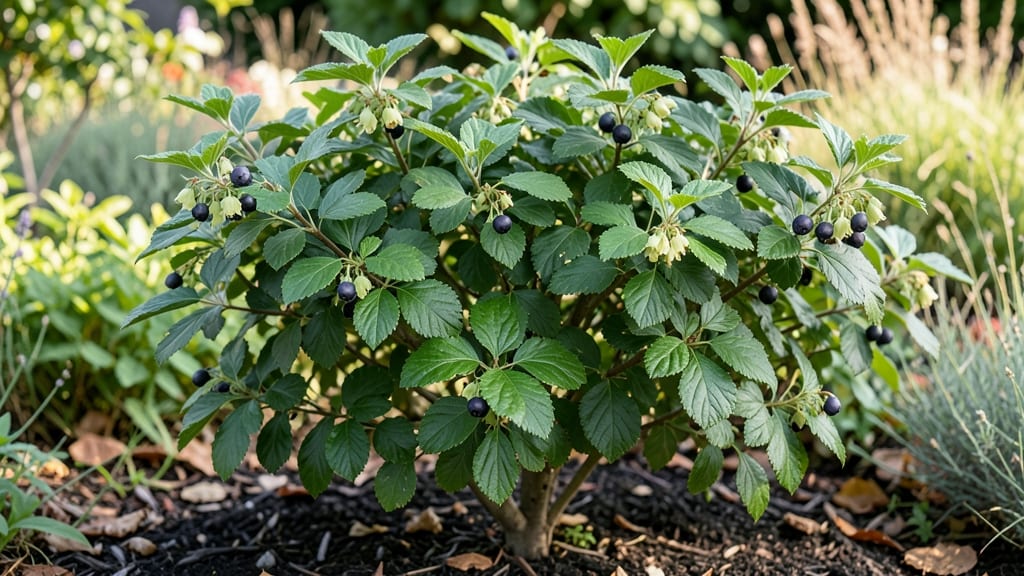
Blackcurrant bush leaves crushed and steeped in water create a foolproof pest repellent that stops aphids, mites, and even whitefly in their tracks. 🌿 I’ve used this remedy for years—simply crush fresh leaves, steep in warm water overnight, then strain and spray directly onto infested plants.
The strong, earthy scent deters pests instantly, and the brew doubles as a mild foliar feed. The magic lies in the leaves’ natural compounds, which disrupt pests’ feeding patterns without harming beneficial insects. You’ll notice a difference within 24 hours—fewer pests, healthier foliage, and no chemical residue.
For stubborn infestations, repeat every 3-4 days until the pests vanish. It’s a game-changer for organic gardeners tired of harsh sprays.
📚 In This Guide
- What you need
- Instructions
- Tips and common mistakes
- Wrapping up and next steps
What you need
- ● Fresh blackcurrant leaves: Harvest at least 1 cup (about 10-15 large leaves) from a healthy, pesticide-free bush. Avoid leaves with signs of disease or pest damage.
- ● Water: 2 cups (480 ml) of clean, room-temperature water (filtered or boiled and cooled is best).
- ● A large pot or saucepan: Medium-sized (2-3 quart capacity) with a lid for boiling.
- ● A fine mesh strainer or cheesecloth: For straining the leaf infusion.
- ● Spray bottle: 8-16 oz (240-480 ml) with a fine mist nozzle for easy application.
- ○ Gloves: Optional but recommended—blackcurrant leaves can stain and may irritate sensitive skin.
- ● Pruning shears: If harvesting from a large bush—clean and sharp tools prevent spreading disease.
- ○ Essential oils (optional): 5-10 drops of peppermint, lavender, or citrus oil to enhance repellent properties (e.g., for ants or mosquitoes).
- ○ Vinegar (optional): 1 tbsp (15 ml) white vinegar to boost effectiveness against soft-bodied pests like aphids.
- ● Label or marker: To tag your spray bottle with the date and purpose (e.g., "Pest Repellent—Use Within 48 Hours").
How to use blackcurrant leaves as a natural pest repellent
This method works instantly and keeps pests at bay without harsh chemicals.
🌿 Step 1: Harvest and Prepare the Leaves
Pick fresh blackcurrant leaves from healthy bushes—avoid any that look yellowed or diseased. I like to harvest just before flowering for the strongest pest-repelling properties. Fill a large bowl with about 1 cup of leaves (enough for a small garden area). Crush them gently with your hands or a mortar and pestle to release their natural oils.
Here's the thing—fresh leaves work best, but if you need to store them, dry them in a cool, dark place for up to 2 weeks. The crushed leaves will smell strong and earthy, which is exactly what deters pests. If you're working with dried leaves, crush them just before use to restore their potency.
💧 Step 2: Create the Pest-Repellent Solution
Combine the crushed leaves with 1 gallon of warm water in a large bucket. Let the mixture steep for 24 hours, stirring occasionally to ensure the oils fully infuse. You'll notice the water turning slightly brownish and developing a strong herbal scent—this is your signal the active compounds are releasing.
After steeping, strain the mixture through a fine mesh or cheesecloth to remove any leaf fragments. The liquid should be cloudy with a distinct aroma. This solution is ready to use immediately, but you can also store it in an airtight container in the fridge for up to 1 week.
✂️ Step 3: Apply to Plants and Surrounding Areas
Pour the strained solution into a spray bottle or watering can. Focus on the undersides of leaves, where pests like aphids and mites often hide. Lightly mist the foliage until it's evenly damp but not dripping. You'll see tiny droplets clinging to the leaves—that's how the repellent clings to plant surfaces.
Don't stop at the plants. Pour the remaining solution around the base of the bush and along garden paths to create a protective barrier. Pests avoid the strong scent, so this prevents them from even reaching your plants. Reapply every 3-5 days or after heavy rain to maintain effectiveness.
☀️ Step 4: Monitor and Reapply as Needed
Check your plants daily for signs of pests. You'll know it's working when you see fewer aphids, spider mites, or other common garden pests. If you notice new activity, simply reapply the solution. The scent fades slightly over time, so consistency is key.
For extra protection, combine this method with other natural pest controls like neem oil or companion planting. The blackcurrant leaves work best as part of an integrated approach. If you're dealing with a severe infestation, you may need to repeat the process more frequently until pests are fully eliminated.
Tips & tricks for perfect blackcurrant leaf pest repellent
Between us, the secret to making this natural pest repellent work like a charm lies in the details—especially when it comes to leaf selection and timing. Here's what nobody tells you about maximizing effectiveness.
Harvest Timing Matters: The 24-hour steeping time in Step 2 is non-negotiable for full potency, but the real magic starts with when you harvest. Leaves just before flowering contain the highest concentration of natural repellent compounds. If you're harvesting later in the season, you might need to double the 1 cup of leaves to achieve the same results—especially for larger garden areas.
Crushing Technique: Don't just crush the leaves—really work them with your hands or mortar and pestle until you can smell that strong, earthy aroma. This releases the volatile oils that repel pests. I've found that using a clean wooden spoon to gently mash the leaves works well if you don't have a mortar and pestle, but it takes about twice as long to get the same release of oils.
Steeping Optimization: While the instructions call for 24 hours of steeping, I've discovered you can actually speed this up if you're in a hurry. Place the bucket in direct sunlight for the final 6 hours of the 24-hour period—the warmth helps extract the oils more efficiently. Just be sure to stir every 2 hours to prevent mold growth, which can happen in warm conditions.
Application Strategy: When you're ready to apply the solution in Step 3, focus on those hard-to-reach areas where pests love to hide. Use a small paintbrush to get into tight spaces between leaves and along stems. I've had the best success with this method when I apply it in the early morning—pests are less active then, and the solution has time to fully dry before they become active again.
Pro Tips for Blackcurrant Bush Leaves
- Between us, the secret to making this natural pest repellent work like a charm lies in the details—especially when it comes to leaf selection and timing.
- Harvest Timing Matters: The 24-hour steeping time in Step 2 is non-negotiable for full potency, but the real magic starts with when you harvest.
- Crushing Technique: Don't just crush the leaves—really work them with your hands or mortar and pestle until you can smell that strong, earthy aroma.
Frequently asked questions
Got questions about using blackcurrant bush leaves as a natural pest repellent? You’re not alone! Here are some of the most common queries—plus straightforward answers to help you harness this plant’s power like a pro.
Can I use blackcurrant leaves from any part of the bush?
Yes! While fresh leaves (especially young, tender ones) work best, mature leaves from the bush are also effective. Just avoid wilted or diseased leaves—they may attract pests instead of repelling them. For maximum potency, crush or bruise the leaves to release their aromatic oils.
How long do blackcurrant leaves last as a pest repellent?
Freshly crushed leaves stay potent for 2–3 days when stored in an airtight container in the fridge. For long-term use, dry them (hang upside down in a dark, dry place) and store in a sealed jar—they’ll retain their repellent properties for up to 6 months. Reapply outdoors every 1–2 weeks for best results.
What pests do blackcurrant leaves repel—and which ones don’t they work on?
Blackcurrant leaves are highly effective against:
- Aphids (crush leaves and place near infested plants)
- Mosquitoes (steep dried leaves in water for a natural spray)
- Ants (create a barrier around entry points)
- Slugs/snails (scatter crushed leaves as a deterrent)
Are blackcurrant leaves safe for pets or edible plants?
While blackcurrant leaves are non-toxic to pets (dogs/cats) in small amounts, avoid large quantities—some animals may experience mild stomach upset. For edible gardens, use them sparingly around crops like tomatoes or peppers (harvest leaves before eating the fruit). Always rinse produce thoroughly if leaves touch it.
What’s a quick alternative if I don’t have blackcurrant bushes?
No blackcurrant bush? No problem! Try these equally effective alternatives:
- Mint leaves (repels ants, mosquitoes, and rodents)
- Citrus peels (crush for aphids and fruit flies)
- Chili peppers (dried or fresh—great for slugs and deer)
- Lavender or rosemary (plant near entry points for a dual-purpose herb)
Wrapping up and next steps
Discovering the power of blackcurrant bush leaves as a natural pest repellent is a game-changer for gardeners who prefer eco-friendly solutions! 🌿 These leaves aren’t just a byproduct—they’re a versatile, cost-effective, and chemical-free way to keep pests at bay while enriching your soil.
Whether you’re dealing with aphids, slugs, or even mosquitoes, this method is simple, effective, and ready to use with what you already have.
Ready to give it a try? Start by harvesting a few leaves from your blackcurrant bush (or a trusted local source) and follow the steps above. Your garden—and your wallet—will thank you! Happy gardening! 🌱