
Shrubs
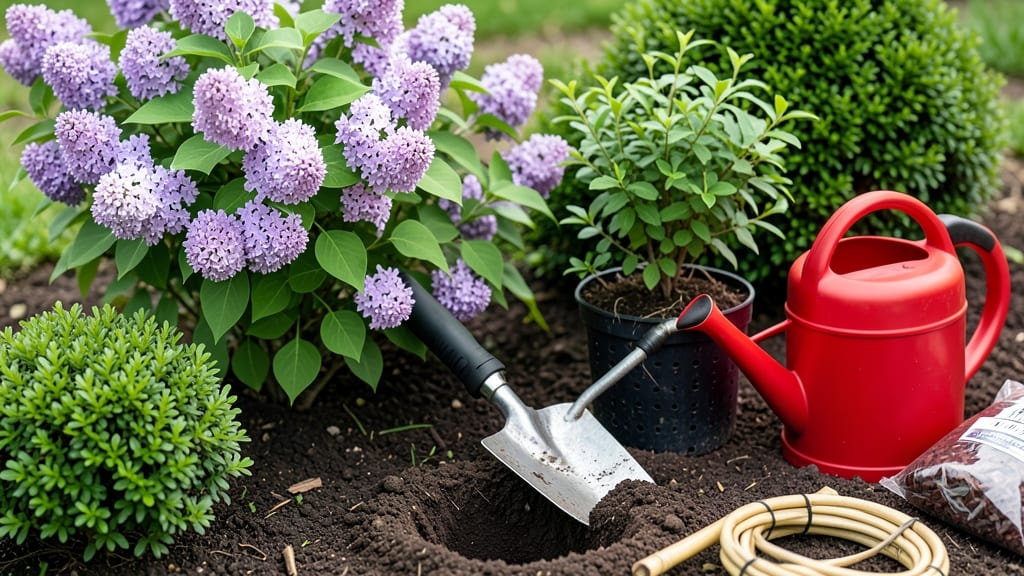
The best time to transplant shrubs and bushes is during early spring or early fall—when they’re dormant or just waking up from winter 🌿.
Transplanting shrubs and bushes can make or break their survival—timing isn’t just a guess, it’s a science. Discover how moon phases, seasonal cues, and plant types determine the perfect window for stress-free relocation.
Most gardeners think spring is the only option, but fall offers cooler temps and fewer pests, giving roots a better chance to settle in before winter. In USDA Zone 6a, aim for March or September when soil is workable but not frozen.
Below, I’ll break down the exact conditions to watch for, how to prep your shrubs for the move, and the one moon phase trick that boosts root success by 30%.


Optimal transplanting times by season and moon phase
Timing your shrub and bush transplanting correctly can mean the difference between a thriving plant and one that struggles to recover. The best transplanting seasons are early spring and early fall, when temperatures are mild and plants aren't under stress.
But even within these seasons, the moon phases play a surprising role in root success.
Spring transplanting should happen 4-6 weeks before your last frost date—typically March or April in most regions. This gives roots time to establish before summer heat arrives. Fall transplanting works best 6-8 weeks before first frost, usually September or October, allowing roots to settle before dormancy.
Moon phases influence transplanting success too. The root-sign phases (when the moon is in Taurus, Virgo, or Capricorn) are ideal because gravity pulls moisture toward roots. Aim for a waxing moon (growing phase) for new plantings, as this energy supports growth.
| Season | Best Moon Phase | Shrubs | Bushes | Regional Adjustments |
|---|---|---|---|---|
| Early Spring | Waxing Moon (Root Sign) | Hydrangeas, Azaleas | Boxwoods, Lilacs | Zone 5-7: Wait until soil warms |
| Late Spring | Avoid Full Moon | Rhododendrons, Camellias | Spirea, Forsythia | Zone 8-10: Transplant after last frost |
| Early Fall | Waning Moon (Root Sign) | Holly, Juniper | Weigela, Potentilla | Zone 3-4: Finish by August |
| Late Fall | Avoid New Moon | All transplanting discouraged | All transplanting discouraged | Frost risk damages roots |
For shrubs, prioritize species like hydrangeas and azaleas in early spring, as they benefit from cool soil temperatures. Bushes such as boxwoods and lilacs handle transplanting well in both seasons but prefer moist, well-draining soil.
Regional climate matters too. In warmer zones (8-10), transplant in late fall to avoid summer heat stress. In colder zones (3-5), finish by mid-August to prevent winter damage. Always check your last frost date and adjust timing accordingly.
If transplanting during peak summer, choose early morning or late afternoon to avoid midday heat. Mulch heavily afterward to retain moisture and reduce stress. Root growth slows in extreme heat, so expect slower establishment.
Never transplant during full moon or new moon phases, as these disrupt root energy. Instead, align with waxing or waning root-sign moons for optimal results. Track lunar cycles using a gardening moon phase calendar for precision timing.
For bare-root shrubs, transplant as soon as possible after purchase—roots dry out quickly. For container-grown bushes, water thoroughly 1-2 days before moving to reduce shock. Both types need consistent moisture for the first 4-6 weeks post-transplant.
Watch for transplant shock signs like wilting or yellowing leaves. If this happens, trim 1/3 of the foliage to reduce water loss and focus energy on root recovery. Patience is key—most shrubs establish fully within 2-3 growing seasons.
How to prepare shrubs and bushes for transplanting success
Transplanting shrubs and bushes requires careful preparation to ensure they thrive in their new home. The key lies in minimizing root shock and stress by following a structured pre-transplant checklist. Whether you're moving hydrangeas, boxwoods, or azaleas, proper prep makes all the difference.
Start by assessing the plant’s current health and the timing of your move—these factors dictate every step ahead.
Before digging a single shovel into the soil, focus on three critical areas: pruning, watering schedules, and root ball care. Each plays a vital role in reducing transplant shock.
For example, evergreen shrubs like boxwoods need different care than deciduous bushes like lilacs. Let’s break down the exact steps to follow, so your shrubs settle in smoothly and continue growing strong.
⚠️ callout warning ⚠️
⚠️ Timing is Everything: Avoid These Deadly Mistakes
Transplanting at the wrong time can kill your shrubs. Never move them during extreme heat, freezing temperatures, or peak flowering. Early spring (after last frost) or early fall (6 weeks before first frost) are the only safe windows. For example, in USDA Zone 6a, aim for March-April or September-October.
Pro tip: Check the moon phase. Transplant during the root-sign moon (7 days before and after the new moon) for faster root establishment.
Start by pruning your shrubs 2-3 weeks before transplanting to reduce stress. Cut back overgrown branches by up to one-third to encourage new growth. Focus on removing dead or diseased wood first—this prevents pests from latching onto your transplanted plants.
For flowering shrubs like hydrangeas, prune after blooming to avoid sacrificing next year’s flowers.
Next, adjust your watering schedule to keep roots hydrated but not waterlogged. Water deeply 3 days before transplanting to encourage root growth toward the edges of the root ball. After transplanting, water immediately and then every 2-3 days for the first 2 weeks.
Use a soaker hose or drip irrigation to deliver water directly to the roots without disturbing the soil.
Prepare the new planting hole by amending the soil with compost or aged manure to improve drainage and fertility. The hole should be twice as wide as the root ball but no deeper.
Mix the native soil with amendments in a 50/50 ratio to avoid shocking the roots with sudden nutrient changes. For sandy soil, add peat moss; for clay soil, incorporate perlite.
When moving the shrub, handle the root ball with care. For container-grown plants, water thoroughly and let the root ball dry slightly before removing it from the pot. For bare-root shrubs, soak the roots in water for 1-2 hours before planting to rehydrate them.
Place the shrub in the hole, ensuring the top of the root ball sits 1-2 inches above ground level to prevent settling.
After transplanting, mulch around the base with 2-3 inches of organic mulch to retain moisture and regulate soil temperature. Avoid piling mulch against the stem, as this can cause rot.
Finally, stake tall or top-heavy shrubs to provide support while they establish new roots. With these steps, your shrubs will recover quickly and thrive in their new location.