
Plants
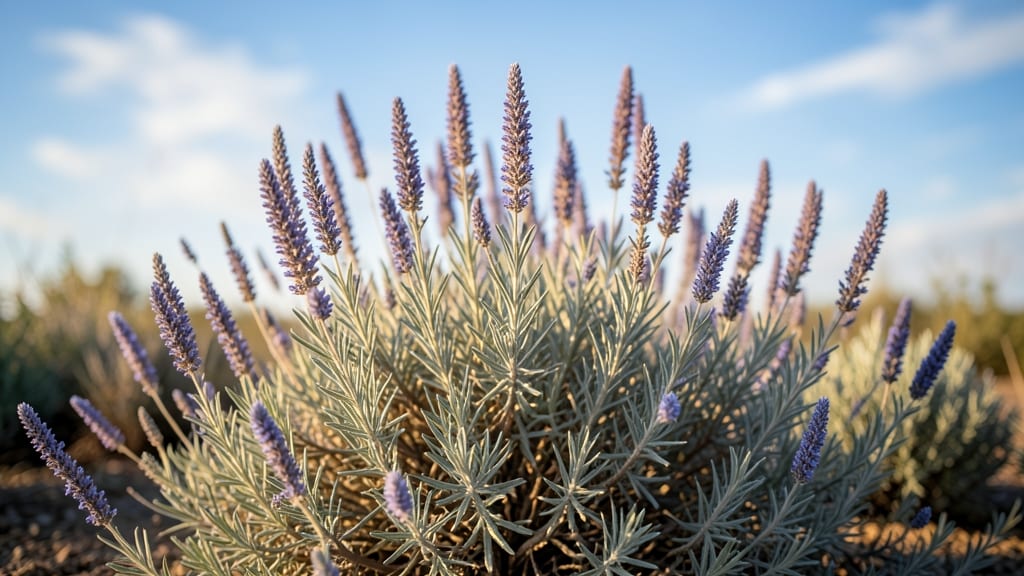
Attract hummingbirds to your garden effortlessly with these 10 top-performing bushes. Their vibrant blooms and nectar-rich flowers will keep these tiny visitors buzzing all season long, reducing your need for feeders.
Coral Honeysuckle Bush for Continuous Nectar
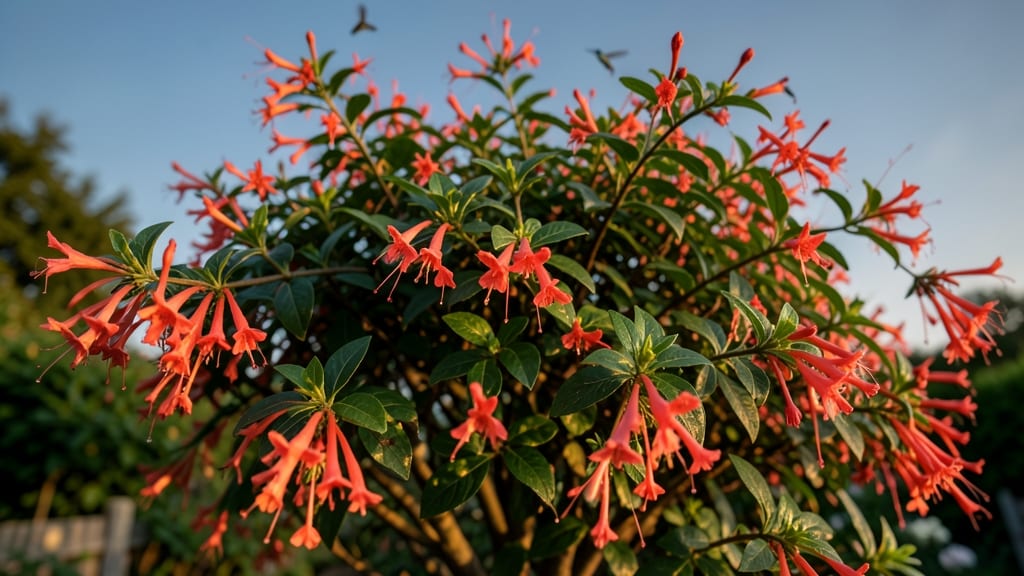
Tired of hummingbirds abandoning your garden once summer blooms fade? The coral honeysuckle bush (Lonicera sempervirens) is your secret weapon for year-round nectar—its tubular, coral-red flowers bloom from early summer straight through frost, creating a nonstop buffet for hummingbirds.
This native North American shrub thrives in partial shade to full sun and grows 3–15 feet tall, making it perfect for trellises, fences, or small-space gardens. Prune lightly after blooming to encourage bushier growth, and watch as hummingbirds hover like tiny helicopters, sipping nectar from its fragrant flowers. Deer and rabbits typically avoid it, too!
Ideal for urban gardeners or anyone with limited space, coral honeysuckle also attracts butterflies and bees. Plant it near seating areas to enjoy the show—your feathered friends will thank you with daily visits. 🌻
Scarlet Bee Bush for Long-Lasting Color
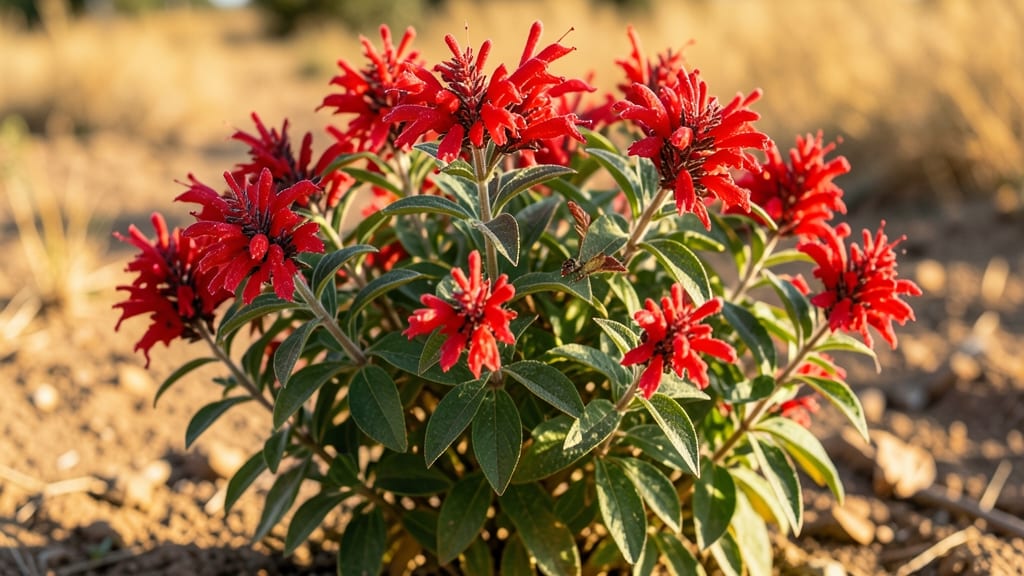
Want a hummingbird magnet that blooms from spring until frost? The scarlet bee bush (Salvia coccinea) delivers bright red flower clusters that hummingbirds can't resist, while also supporting bees and butterflies. Unlike many shrubs, it thrives in full sun and drought conditions, making it perfect for low-maintenance gardens.
This hardy perennial reaches 2-4 feet tall and produces continuous blooms from late spring through fall, providing nectar when other plants may be winding down. Prune lightly after each flush of flowers to encourage bushier growth, and watch as hummingbirds return daily. It also tolerates poor soil, making it ideal for urban or neglected garden spots.
Perfect for beginner gardeners or those in hot, dry climates, this bush adds vibrant color while supporting pollinators year-round. 🌻
Butterfly Bush Varieties for Hummingbird Buffet
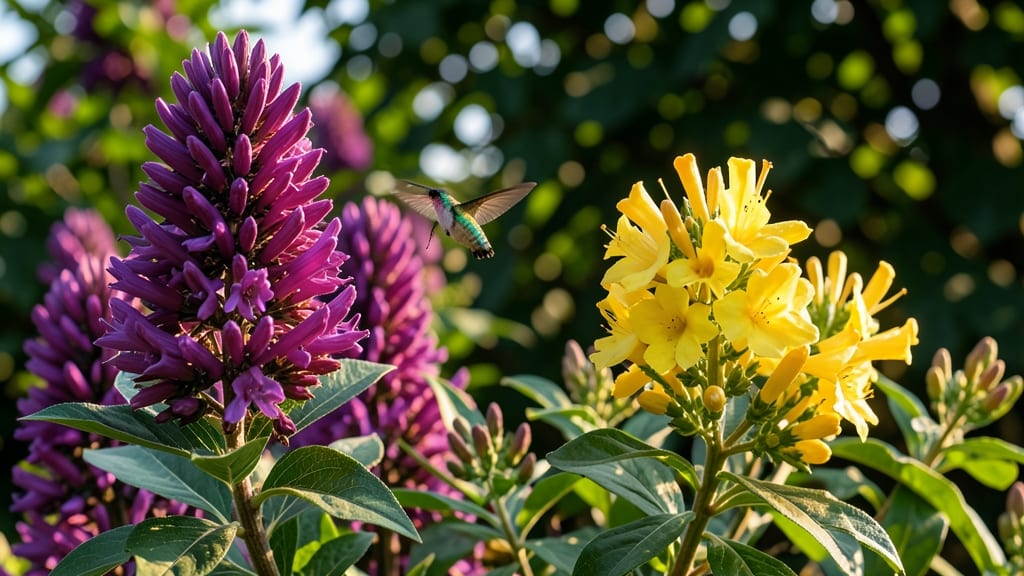
If you want to turn your garden into a hummingbird hotspot without breaking the bank, butterfly bushes are your secret weapon. Varieties like 'Purple Haze' and 'Lemon Dream' produce dense, tubular blooms that hummingbirds adore—think of it as an all-you-can-eat buffet for these tiny pollinators.
These bushes thrive in full sun to partial shade and are drought-tolerant once established, making them low-maintenance stars for borders or mixed shrubbery. Prune in late winter to encourage fresh growth and prolonged blooming from summer to early fall. The key? Plant them where you can watch the show—hummingbirds will return daily once they discover your nectar source.
Perfect for gardeners who love colorful, pollinator-friendly plants with minimal fuss, butterfly bushes also attract butterflies and bees. 🌻
Firebush for Tropical Hummingbird Haven
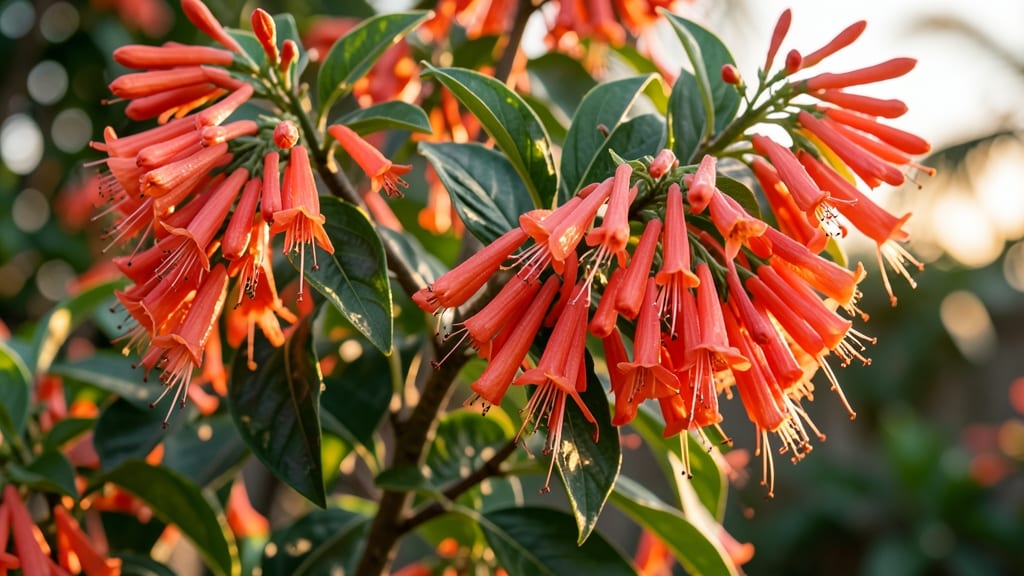
If you live in a warm climate and dream of a hummingbird paradise that blooms year-round, firebush (Hamelia patens) is your secret weapon. This hardy tropical shrub bursts with fiery red-orange flowers that hummingbirds can't resist, offering nectar from spring through winter.
Firebush thrives in full sun to partial shade and tolerates poor, dry soil once established—making it perfect for coastal gardens or drought-prone areas. Its tubular flowers aren't just for hummingbirds; they also attract butterflies and even bees, creating a lively pollinator hotspot. Prune lightly after blooming to maintain shape and encourage new growth.
This low-maintenance shrub is ideal for gardeners in USDA zones 8-11 who want colorful, wildlife-friendly plants without the fuss. Plant it near seating areas or pathways to enjoy the buzzing activity up close! 🌻
Weigela Bush for Early Season Blooms
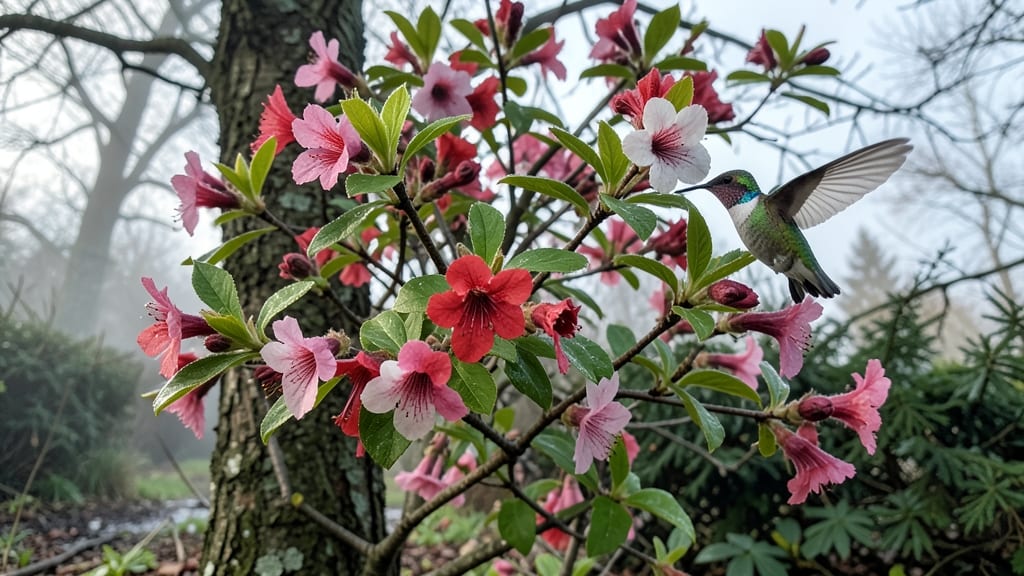
When hummingbirds first flutter back into your yard after winter, they need nectar fast—and Weigela bushes are the early-season heroes they’ve been waiting for. These striking shrubs burst into bloom as early as late March or April, often weeks before other plants, giving migrating hummingbirds their first reliable food source.
With pink or red trumpet-shaped flowers, Weigela offers a bold splash of color that catches hummingbirds’ attention from a distance. Plant it in full sun to partial shade and prune lightly after flowering to encourage even more blooms the following year. The bush’s compact size (6-8 feet tall) makes it ideal for borders or small gardens.
This is the perfect choice for gardeners who want to support hummingbirds from day one of their spring migration. 🌷
Abelia for Fragrant Hummingbird Magnet
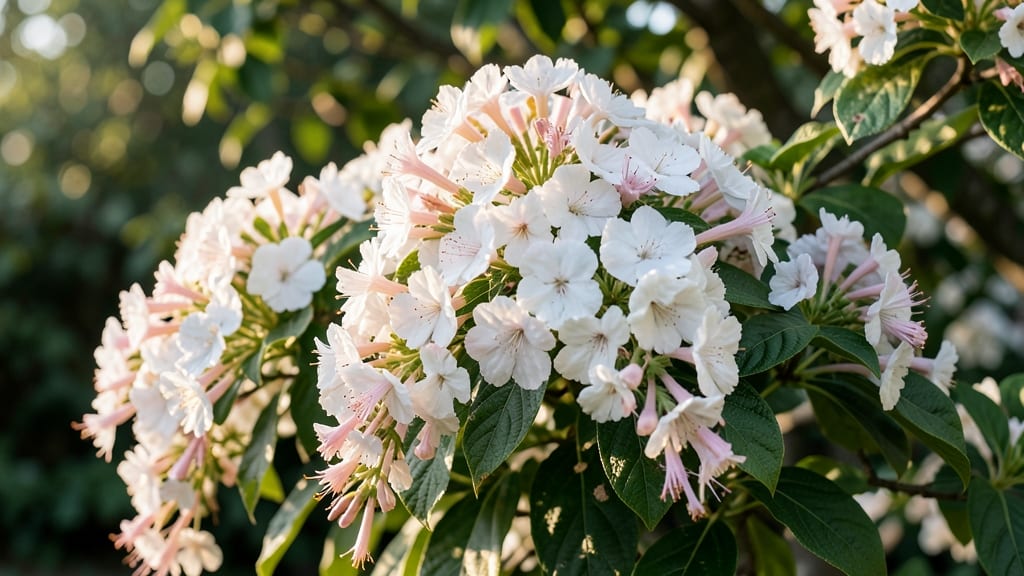
If you want a bush that hummingbirds can’t resist—and one that smells as sweet as it looks—Abelia is your answer. Unlike other hummingbird favorites, this shrub offers a fragrant bonus, filling your garden with a light, honey-like scent that both you and pollinators will love.
The delicate white to pink flowers appear in spring and summer, but the real magic happens year-round with its glossy, evergreen foliage. Plant it in partial shade to full sun and enjoy its low-maintenance nature—it thrives in well-drained soil and handles both heat and cold with ease. Prune lightly after blooming to keep it compact and encourage more flowers.
Urban gardeners and those with limited space will appreciate its small to medium size (3–6 feet tall), making it perfect for borders, containers, or as a focal point near seating areas. 🌷
Oakleaf Hydrangea for Late Summer Nectar
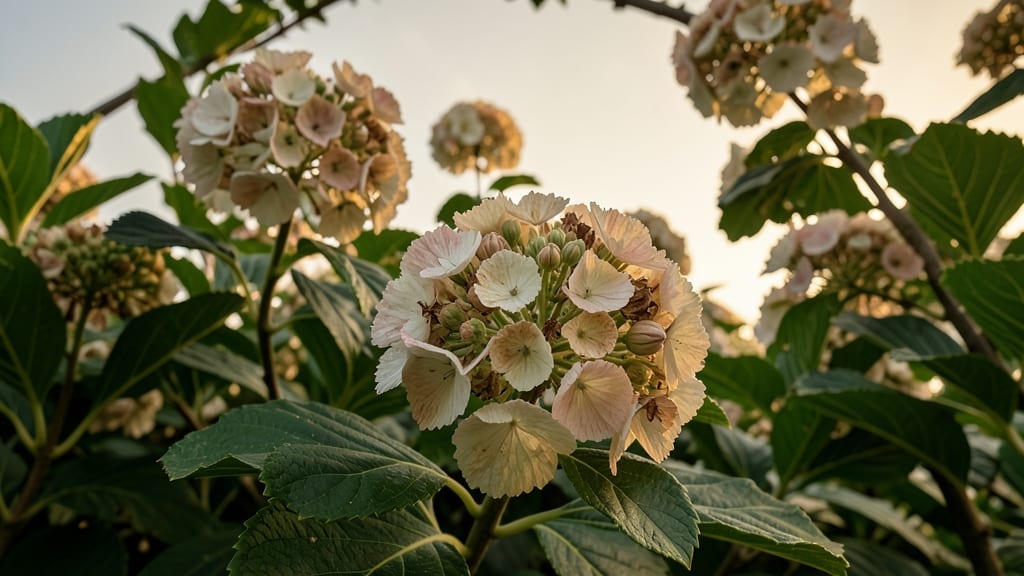
When most summer bloomers start fading, oakleaf hydrangea steps up with its showstopping late-season flowers—a vital nectar source for hummingbirds still searching for sustenance. This deciduous shrub offers large, lacy flower clusters that transform into stunning dried blooms, adding texture to winter gardens.
Thriving in partial shade to full sun, oakleaf hydrangea adapts to various conditions while its oak-like foliage provides seasonal interest. Prune lightly after blooming to encourage next year's flowers, and watch hummingbirds flock to its high-nectar blooms from August through October. The plant's versatile growth habit makes it ideal for borders, hedges, or woodland gardens.
Perfect for gardeners seeking extended color and pollinator support, this hydrangea variety rewards patience with its dramatic foliage and late-season spectacle. 🌻
Crapemyrtle for Drought-Tolerant Hummingbird Food
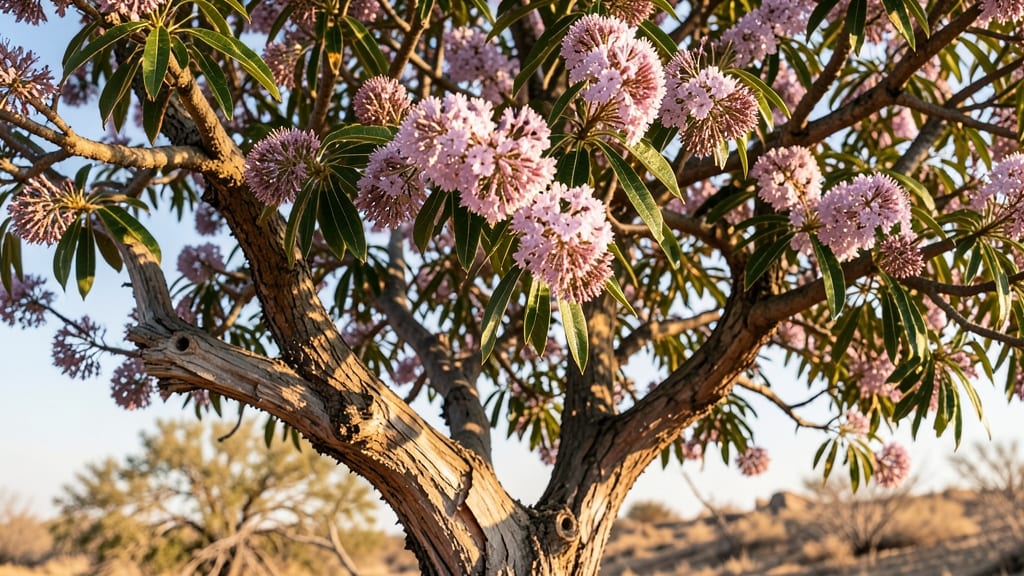
If you live in a dry climate where water conservation is key, crapemyrtle is your secret weapon for attracting hummingbirds without sacrificing drought tolerance. This hardy shrub thrives on neglect, producing lavender-to-pink blooms from summer through fall that hummingbirds can't resist.
What makes crapemyrtle stand out is its dual role: it provides both nectar-rich flowers and dense foliage for shelter, making it a hummingbird hotspot in arid regions. Plant it in full sun with well-drained soil, and you'll get a low-maintenance bush that rewards you with vibrant blooms and happy visitors. Prune in late winter to encourage fresh growth and more flowers. 🌻
Dwarf Fothergilla for Compact Hummingbird Garden
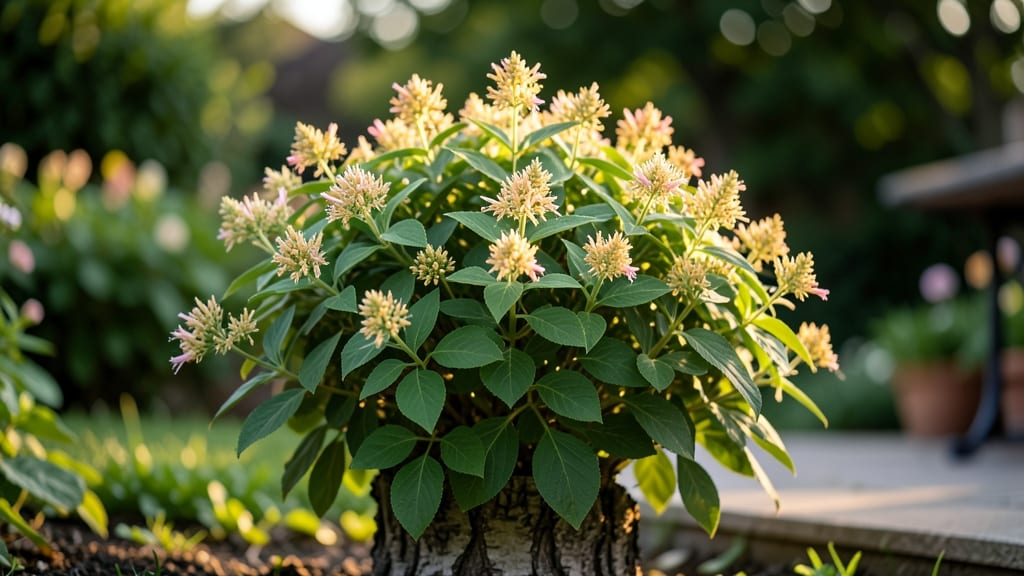
When space is limited but you refuse to compromise on hummingbird appeal, dwarf fothergilla delivers the perfect solution with its compact size and irresistible charm. This fragrant shrub tops out at just 3-4 feet tall, making it ideal for small gardens, container planting, or even as a striking focal point in a mixed border.
Its white bottlebrush flowers bloom in late spring, producing copious nectar that hummingbirds can't resist while filling the air with a sweet, spicy fragrance. The foliage turns brilliant orange-red in fall, adding seasonal color without taking over your space. Plant in partial shade to full sun with well-draining soil for best results.
Urban gardeners and balcony planters will love how this shrub thrives in containers while still attracting pollinators. It's the ultimate low-maintenance choice for those who want beauty, fragrance, and hummingbird action without the bulk. 🌻
Russian Sage for Pollinator Superfood

Looking for a low-maintenance plant that thrives in tough conditions while still attracting hummingbirds? Russian sage (Perovskia atriplicifolia) delivers with lavender-blue flower spikes that hummingbirds adore. Unlike traditional bushes, this woody perennial grows upright and airy, making it perfect for dry, sunny spots where other plants struggle.
This drought-tolerant beauty blooms from mid-summer to fall, providing late-season nectar when many other flowers have faded. It thrives in poor, well-drained soil and full sun—ideal for rocky landscapes or urban gardens where water is scarce. Prune back in early spring to encourage bushier growth and more abundant blooms.
Gardeners in USDA zones 5-9 will love its hardy nature, while pollinator enthusiasts appreciate its ability to support hummingbirds, bees, and butterflies. Plant it at the back of borders or in groups for maximum impact—it’s the perfect solution for easy-care, high-reward gardening. 💚