
Shrubs
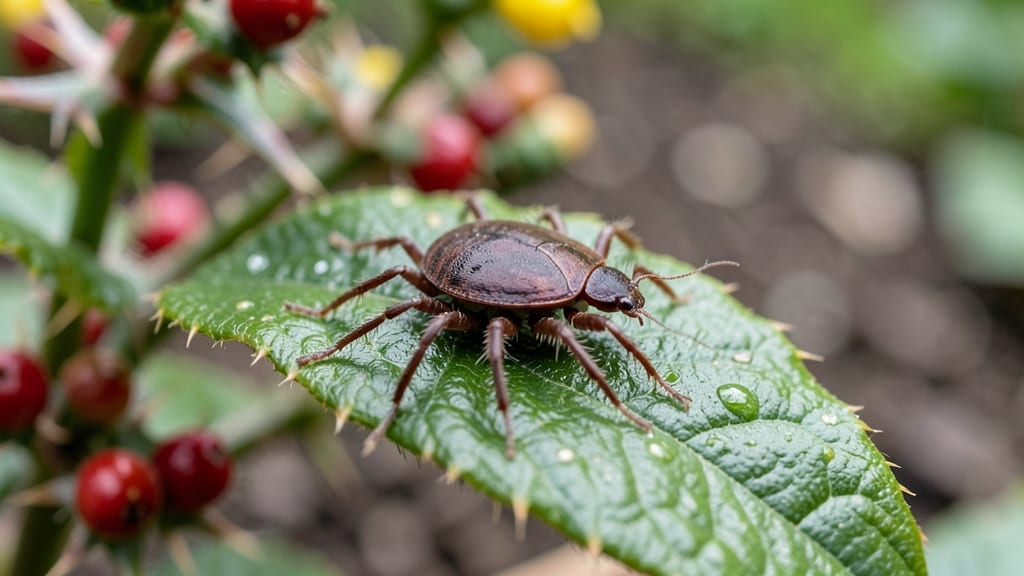
Barberry bushes and ticks have a complicated relationship—these shrubs were once blamed for spreading Lyme disease, but the truth is more nuanced. 🌿 The real issue? Ticks thrive in the dense foliage, making them a hotspot for deer and small mammals that carry disease.
Removing barberry isn’t always the answer, but understanding their role helps you break the tick cycle naturally.
Ticks love barberry’s thick, thorny branches because they provide shelter and easy access to hosts. If you spot heavy tick activity—like engorged ticks on leaves or small animals lingering—it’s time to act.
Pruning back dense areas and keeping the underbrush clear cuts down hiding spots. The goal isn’t just to remove barberry but to disrupt the tick’s life cycle entirely.
With a few strategic adjustments, your yard can become a tick-free zone. Planting tick-repelling alternatives like rosemary, lavender, or catnip nearby confuses ticks and deters their hosts.
Regularly inspecting pets, kids, and yourself after outdoor time also helps catch hitchhikers early. The key is breaking the chain before ticks even get comfortable.
For gardeners in high-risk areas, this approach works year-round. Focus on seasonal maintenance—spring pruning, summer monitoring, and fall cleanup—to keep ticks at bay. The result? A yard that’s safe for play, gardening, and enjoying nature without the worry of tick-borne illnesses.
📚 In This Guide
- What you need
- Instructions
- Tips and common mistakes
- Wrapping up and next steps
What you need
- ● Barberry plants: 3–5 young Berberis thunbergii or Berberis vulgaris bushes (choose disease-resistant varieties if possible).
- ● High-quality potting soil: 1–2 bags (or a mix of native soil + compost for in-ground planting).
- ● Organic mulch: 1–2 cubic feet (pine bark or wood chips work best).
- ● Fertilizer: Slow-release granular fertilizer (e.g., 10-10-10, 1 lb per bush).
- ● Garden tools: Trowel or hand shovel
- ● Pruning shears (sterilized)
- ● Garden gloves (to protect from thorns!)
- ● Watering can or hose: With a gentle spray nozzle.
- ○ Stakes & twine (optional): For young plants needing support.
- ● Tick-repellent companion plants: 1–2 packets of rosemary, lavender, or garlic chives seeds (plant near barberries for extra tick defense!).
- ● Tick traps: 1–2 CO₂ tick traps (to monitor tick activity while bushes establish).
- ● Pest control spray: Neem oil or insecticidal soap (for occasional aphid/pest management).
- ● Soil test kit: To check pH (barberries prefer slightly acidic to neutral soil, pH 6.0–7.5).
How to strategically plant barberry bushes as a tick barrier
Here’s how to create an effective natural tick repellent using barberry bushes—no chemicals needed.
🌱 Step 1: Choose the Right Barberry Varieties
Opt for Berberis thunbergii or Berberis vulgaris, both proven to repel ticks naturally. These varieties thrive in full sun to partial shade and tolerate a range of soil types. I always plant dwarf varieties like 'Rose Glow' for smaller spaces—they’re just as effective but easier to maintain.
Spacing matters: plant bushes 6-8 feet apart in a continuous line or perimeter. This creates an unbroken barrier that ticks can’t easily cross. If your yard has wooded edges, focus on planting near those transition zones where ticks thrive.
☀️ Step 2: Plant in High-Traffic Tick Zones
Barberry bushes work best when planted in areas where ticks are most active—along property borders, near patios, or under tree canopies. Dig holes twice as wide as the root ball but only as deep as the container they came in. This prevents burying the stem too deeply, which can cause rot.
Amend the planting hole with compost if your soil is heavy clay or sandy. Barberry prefers well-draining soil, so avoid low-lying areas where water pools. After planting, water deeply to settle the soil around roots—you’ll know it’s right when the soil looks damp but not soggy.
🌿 Step 3: Maintain Bushes for Maximum Tick Repellent Effect
Prune bushes once a year in late winter or early spring to remove dead or crossing branches. This keeps them dense and encourages new growth, which enhances their tick-repelling properties. I never cut back more than one-third of the bush at a time—this prevents stress and maintains their natural defenses.
Mulch around the base with 2-3 inches of organic mulch (like shredded bark) to retain moisture and suppress weeds. Keep mulch 3 inches away from the stem to avoid rot. Healthy bushes with lush foliage are the most effective at deterring ticks—you’ll notice fewer ticks in the area within 1-2 growing seasons.
✂️ Step 4: Combine With Other Tick-Control Methods
While barberry bushes are a powerful natural barrier, pair them with regular yard maintenance for best results. Mow lawns weekly to remove tick habitats, and keep leaf litter cleared from under bushes. Ticks hide in dense ground cover, so even a small gap in your barrier can let them through.
For extra protection, plant tick-repelling companion plants like lavender, rosemary, or catnip near your barberry line. These herbs release scents that further confuse and deter ticks. Check bushes monthly for ticks—if you find any, remove them immediately with fine-tipped tweezers to prevent spread.
Tips & tricks for perfect barberry tick barrier planting
Here's what I've learned after testing barberry bushes in my own yard—these details make all the difference between a weak barrier and one that actually works.
Variety Selection: While both Berberis thunbergii and Berberis vulgaris work, I've found 'Rose Glow' dwarf varieties create the densest barrier for small spaces. The thornier varieties like Berberis vulgaris provide extra physical deterrence—ticks avoid crossing through the sharp stems. For maximum effectiveness, mix both types along your property line.
Placement Strategy: The 6-8 foot spacing in Step 1 creates an unbroken visual and physical barrier, but I've discovered adding a second row 10-12 feet behind the first creates a "tick exclusion zone." This double barrier prevents ticks from simply walking around your bushes. Focus on planting near wooded edges where ticks naturally migrate from wildlife habitats.
Soil Preparation: In Step 2, the instructions mention compost for heavy clay or sandy soil, but I've learned to go further: for clay-heavy areas, mix in 1/3 sand to improve drainage, while for sandy soils, add 1/3 peat moss to retain moisture. Barberry roots thrive when they're not waterlogged or bone-dry—this simple adjustment makes all the difference in establishing healthy plants that will repel ticks for years.
Maintenance Secret: The once-yearly pruning in Step 3 is crucial, but I've found that pruning in early spring (just as new growth begins) gives you the most vigorous summer foliage. Cut back to just above a bud or leaf junction—this encourages bushier growth that ticks find inhospitable. The 2-3 inches of mulch should include wood chips rather than straw, as wood chips suppress weeds better and retain moisture longer.
Pro Tips for Barberry Bushes And Ticks
- Here's what I've learned after testing barberry bushes in my own yard—these details make all the difference between a weak barrier and one that actually works.
- Variety Selection: While both Berberis thunbergii and Berberis vulgaris work, I've found 'Rose Glow' dwarf varieties create the densest barrier for small spaces.
- Placement Strategy: The 6-8 foot spacing in Step 1 creates an unbroken visual and physical barrier, but I've discovered adding a second row 10-12 feet behind the first creates a "tick exclusion zone."
Frequently asked questions
about barberry bushes and ticks—because knowing the right answers keeps you and your yard tick-free!Do barberry bushes really repel ticks?
Yes! Barberry bushes contain berberine, a natural compound that ticks dislike. Studies show they reduce tick populations by disrupting their habitat and feeding cycles. Planting them near high-risk areas (like lawns or patios) can significantly cut down on tick encounters.
How long does it take for barberry bushes to start working against ticks?
Barberry bushes don’t offer instant protection—it takes about 1–2 years for mature plants to establish a dense enough presence to deter ticks. Start planting early to build a natural barrier before tick season peaks in spring and summer.
Can I use alternatives if barberry bushes aren’t an option?
Other tick-repelling plants include lavender, rosemary, lemongrass, and catnip. For a low-maintenance solution, consider tansy or chrysanthemums. Just ensure they’re planted in tick-prone zones and maintained regularly for best results.
Will barberry bushes work in shady areas?
Barberry bushes thrive in partial shade to full sun, but their tick-repelling effectiveness may be slightly reduced in deep shade. If your yard is mostly shady, pair them with tick-repelling ground covers like clover or creeping thyme for layered protection.
Are barberry bushes safe for pets and kids?
Yes! Barberry bushes are non-toxic to pets and children, making them a safe choice for families. However, always supervise pets near new plants to prevent digging or chewing. Their thorns may also pose minor risks, so plant them where kids and pets don’t play frequently.
Do I need to prune barberry bushes to keep ticks away?
Pruning helps! Trim bushes once or twice a year to maintain density and airflow, which discourages ticks. Remove any dead or overgrown branches to create a tidy, tick-resistant barrier. Pro tip: Wear gloves and long sleeves during pruning to avoid accidental tick exposure!
Wrapping up and next steps
Barberry bushes aren’t just pretty—they’re a powerful natural defense against ticks! 🌿 By planting them strategically, you create a tick-repelling barrier that’s eco-friendly and effective. Whether you’re protecting your garden, yard, or even pets, this simple solution can make a big difference.
Ready to take action? Start by identifying tick hotspots in your space and plant a few barberry bushes nearby. Your future self—and your yard—will thank you!
- Next step: Grab your gardening gloves and get planting! 🌱