
Orchid Care
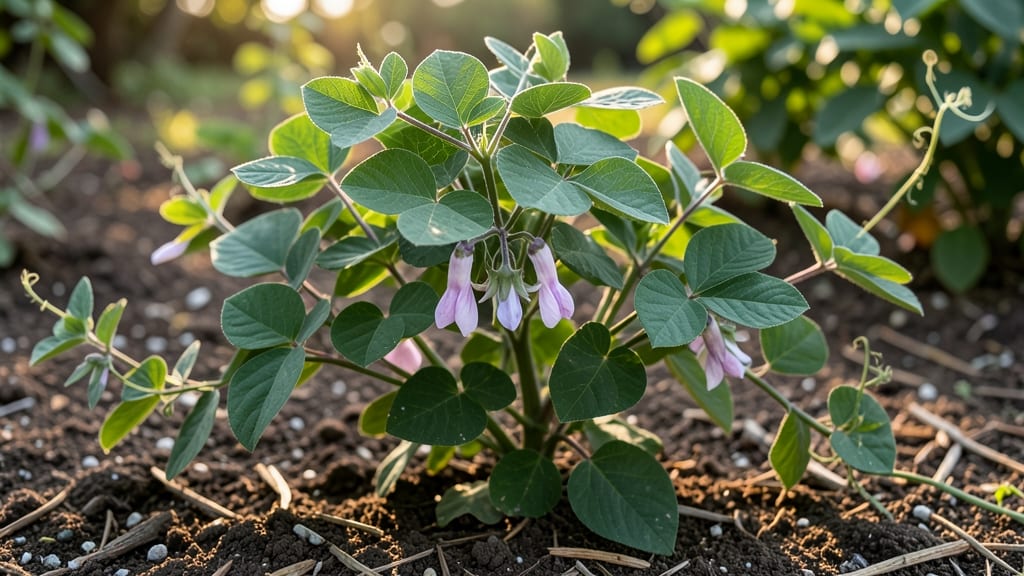
Black beans can grow as either bush or pole varieties, depending on the specific cultivar. Bush beans sprawl 2–3 feet tall without support, while pole beans climb trellises to 6–10 feet, producing more beans over time.
Most people assume black beans are exclusively one type, but the truth is they come in both bush and pole forms. 🌱 The key difference lies in their growth structure—bush beans develop compact plants that mature quickly in about 50–60 days, making them perfect for small gardens or container growing.
Pole beans, on the other hand, invest energy into long vines that require sturdy supports, but they reward gardeners with continuous harvests throughout the season.
I've found that pole varieties like 'Black Turtle Soya' or 'Sanilac' often outperform bush types in yield, especially in warm climates where vines can grow vigorously.
Another factor to consider is space efficiency. Bush beans take up less room, making them ideal for urban gardens or tight spaces, while pole beans maximize vertical growing potential.
This means you can fit more plants in a smaller footprint by using trellises—just be sure to provide strong support early, as vines can become heavy with pods.
For best results, I recommend planting bush beans in rows with 4–6 inches between plants, while pole beans need 4–6 inches between supports spaced 3–4 feet apart.
💡 In This Article
- How Black Bean Varieties Determine Growth Habit
- Best Black Bean Cultivation Tips by Growth Type
How black bean varieties determine growth habit
The growth difference between bush and pole black beans starts at the genetic level. Bush beans, like the popular 'Black Valentine' variety, have a determinate growth habit, meaning their main stems stop growing once they reach maturity around 2–3 feet tall.
This compact structure allows them to produce all their pods simultaneously over a 2-3 week harvest window, making them ideal for quick succession planting. 🌱
Pole beans, such as 'Black Turtle Soya', exhibit an indeterminate growth pattern, where vines continue producing new leaves and pods as long as conditions are favorable.
These vines can climb 6–10 feet high when given proper support, with each vine potentially producing 20–30 pods over a 6–8 week harvest period.
The key botanical difference lies in their root systems—pole beans develop deeper, more extensive roots that anchor them to trellises while accessing water and nutrients from deeper soil layers.
Sunlight requirements also differ significantly. Bush beans thrive with 6–8 hours of direct sunlight daily and mature quickly, perfect for short growing seasons. Pole beans, however, benefit from full sun exposure (8+ hours) to support their vigorous vine growth and continuous flowering.
The trellising system for pole beans isn't just for aesthetics—it improves air circulation around the plants, reducing disease risk while maximizing sunlight exposure to lower pods.
Yield potential is where pole beans truly shine. While a single bush bean plant might produce 10–20 pods3–5 times that amount over the same growing period. This makes pole varieties particularly valuable for large-scale production or gardeners with vertical space constraints.
The trade-off? Pole beans require more initial setup with trellises or sturdy cages, while bush beans offer a low-maintenance, high-reward option for beginners.
What most gardeners don't realize is how temperature affects these growth habits. Bush beans typically prefer cooler growing conditions (60–80°F) and can handle light frosts better than pole varieties. Pole beans, however, thrive in warmer climates (70–90°F) where their vines can grow more aggressively.
This is why pole beans often outperform bush types in southern U.S. gardens, while bush varieties may struggle in heatwaves.
Consider the 'Black Magic' variety—a pole bean that produces dark purple-black pods. When grown on a trellis, each vine can produce 50+ pods over the season, while the same variety grown as a bush might yield only 15–20 pods.
The difference comes down to how the plant allocates its energy—pole beans invest in vertical growth and continuous flowering, while bush beans focus their energy on rapid pod development.