
How To
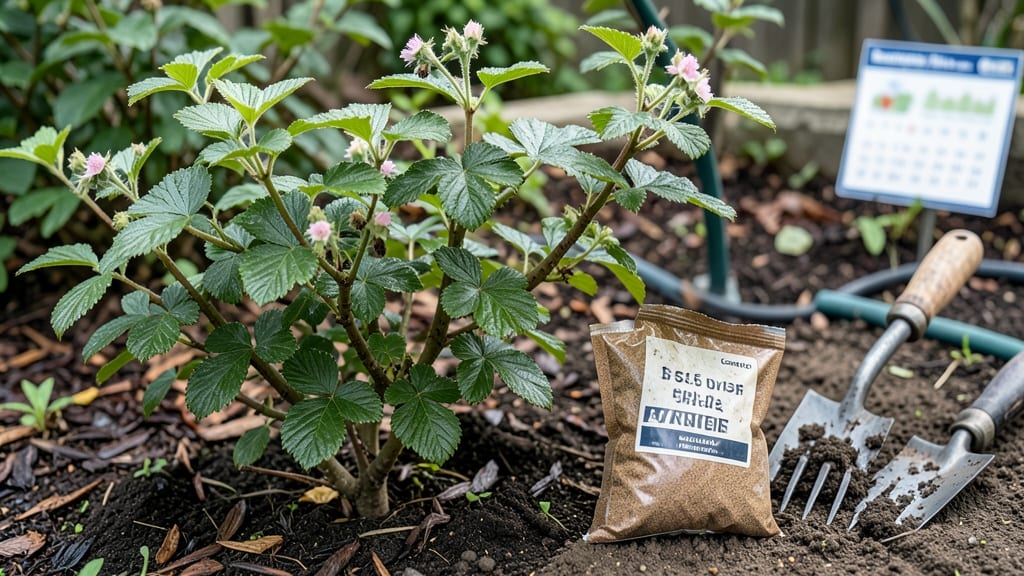
To fertilize blackberry bushes at the right time means the difference between thriving canes and weak growth — and the best windows are early spring and post-harvest.
Picture this: your 🫐 bushes are bursting with new leaves, but the canes feel flimsy, or you’ve just picked your last berry of the season and wonder if another feeding could boost next year’s yield.
Timing isn’t just about throwing down fertilizer—it’s about feeding your plants when they’re hungry and ready to use it.
In Zone 6a, the ideal moments are right after dormancy breaks in March–April and again in late summer after harvest. But skip fall and winter—your bushes are resting, and extra nutrients can do more harm than good.
Organic or synthetic, the right fertilizer at the wrong time can leave you with burnt roots or wasted money.
Below, I’ll walk you through the exact schedule, how to spot when your bushes are truly hungry, and the best fertilizers to use for stronger canes and bigger harvests—no guesswork involved.

Best times to fertilize blackberry bushes for optimal growth
Timing your blackberry bush fertilization correctly is the secret to lush canes and bountiful berries. Unlike many plants, blackberries respond best to a seasonal feeding schedule that aligns with their natural growth cycles.
Skipping the wrong window—or overdoing it—can stunt your plants or even harm them. Let’s break down the ideal fertilization windows to maximize your harvest.
Blackberries have three key growth phases where fertilizer makes the biggest difference: early spring (when new canes emerge), post-harvest summer (to replenish nutrients), and late summer (to strengthen next year’s fruit-bearing canes).
Each phase demands a slightly different approach, whether you’re using organic compost or a synthetic NPK blend. Let’s dive into the specifics.
Soil testing is your first step before fertilizing. Blackberries prefer a slightly acidic soil (pH 5.5–6.5). If your soil is too alkaline (pH above 7), your plants won’t absorb nutrients efficiently, no matter how much fertilizer you add. Grab a DIY soil test kit or send a sample to your local extension office for precise results.
Once you’ve tested your soil, adjust your fertilizer choice. Organic options like compost, fish emulsion, or bone meal release nutrients slowly, while synthetic fertilizers (like 10-10-10) provide an immediate boost.
Both have their place, but timing is everything. Let’s explore the best months to feed your blackberries for maximum cane strength and fruit production.
| Season | Best Time to Fertilize | Fertilizer Type | Key Goal |
|---|---|---|---|
| Early Spring (March-April) | After last frost, when new canes emerge | Balanced (10-10-10) or organic compost | Stimulate early growth |
| Late Spring (May) | When flowers appear | High-phosphorus (5-10-10) for blooms | Support flowering and fruiting |
| Post-Harvest (July-August) | 4-6 weeks after harvest | Balanced (10-10-10) or compost tea | Replenish nutrients for new canes |
| Late Summer (September) | Before dormancy begins | Slow-release organic (e.g., worm castings) | Strengthen next year’s canes |
| Fall & Winter | None (avoid fertilizing) | N/A | Let plants rest and conserve energy |
Your early spring fertilization (March–April) should happen as soon as the soil is workable and new canes begin to push through the ground. This is when your blackberries are breaking dormancy and need a nutrient boost to fuel rapid growth.
Use a balanced fertilizer (10-10-10) or well-aged compost to encourage strong, healthy canes. Avoid heavy applications—stick to about ½ cup per plant—to prevent burning tender roots.
If you’re using organic fertilizers, like compost or fish emulsion, apply them a bit earlier (February–March) since they release nutrients more slowly. Synthetic fertilizers, on the other hand, can be applied later (April) for a quicker nutrient kick.
The key is to align fertilization with new growth, not just calendar dates.
After your blackberries produce fruit, they’ll need a post-harvest feeding in late summer (July–August) to recover lost nutrients. This is critical for next year’s fruit production, as the canes you see now will bear fruit in 12–18 months.
A high-potassium fertilizer (like 10-10-20) or a compost tea can help replenish energy stores. Water thoroughly after applying to help nutrients penetrate the soil.
One common mistake gardeners make is fertilizing in fall or winter. Blackberries enter dormancy in late fall, and feeding them during this time can lead to weak growth or even winter damage.
Instead, focus on mulching with straw or leaves to insulate roots and conserve moisture. Skip the fertilizer until spring rolls around again.
For organic gardeners, consider a two-step approach: Start with a compost top-dressing in early spring (before new growth) and follow up with a liquid feed (like seaweed extract) when flowers appear.
This mimics natural nutrient cycles and reduces the risk of over-fertilization. Synthetic fertilizers, while faster-acting, require more precise timing and dosing to avoid salt buildup in the soil.
Pro tip: If your blackberries are est
Signs your blackberry bush needs fertilizer (and when to avoid it)
Your blackberry bushes may be silently screaming for nutrients if you notice yellowing leaves or stunted canes. These are classic signs your plants are nutrient-deficient, especially if they appear weak despite regular watering.
Healthy blackberries should have vibrant green foliage and strong, upright canes—any deviation could mean it's time to feed them.
Don't overlook weak new growth or small berries, either. When your blackberries produce fruit that's under-sized or lacks flavor, it often signals a phosphorus deficiency. This nutrient is crucial for flowering and fruiting, so addressing it early can restore your harvest's quality and quantity.
When to Fertilize Blackberry Bushes
- Early spring (when new growth starts)
- After harvest (late summer) for new canes
- When soil tests low in nutrients
- If leaves yellow or growth stalls
- Fall or winter (dormancy period)
- If foliage burns or soil is crusty
- After new planting (wait 4-6 weeks)
- During drought or heatwave
Watch for over-fertilization signs like burnt leaf edges or white salt crusts on soil. These red flags mean you've given your blackberries too much fertilizer, which can damage roots and stunt growth. Always water thoroughly after applying fertilizer to help nutrients reach the roots without burning the plant.
Seasonal timing matters too. Fall fertilization is a big no-no—your blackberries need to prepare for dormancy, not push new growth. Similarly, avoid feeding during extreme heat or drought conditions, as stressed plants can't absorb nutrients efficiently.
For established bushes, a light feeding in early spring (when buds swell) and a second application after harvest (late summer) usually works best. Use a balanced fertilizer (like 10-10-10) or one higher in phosphorus (5-10-10) to support fruiting.
If you're unsure, conduct a soil test before fertilizing—this helps you avoid guesswork and overdoing it. Healthy soil means healthier blackberries, and that translates to bigger, sweeter berries come harvest time. 🫐